

Few things disrupt your peace of mind quite like flipping on the kitchen light at midnight and watching cockroaches scatter across your countertops. These resilient pests multiply quickly, contaminate food, and can even trigger allergies and asthma. The good news? You don't have to live with them. Whether you're dealing with a sudden invasion or a lingering problem, here's how to get rid of cockroaches fast and reclaim your home.
How to Get Rid of Cockroaches Fast Starts With Identification
Before you can effectively eliminate these pests, you need to know what you're dealing with. The most common household varieties include German cockroaches (small, light brown with two dark stripes), American cockroaches (large and reddish-brown), and Oriental cockroaches (dark brown to black). German cockroaches are particularly troublesome because they reproduce rapidly and often resist over-the-counter treatments.
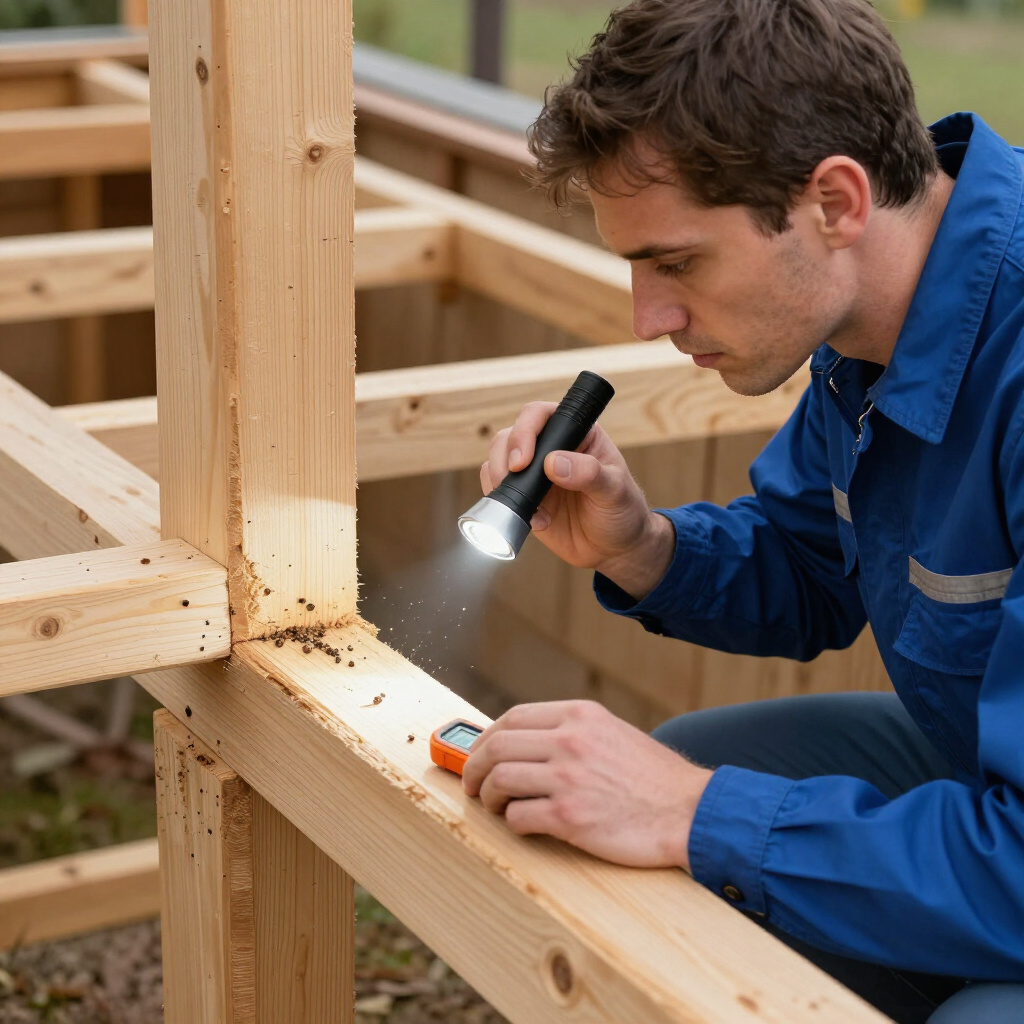
Take a moment to inspect your home. Cockroaches prefer warm, humid environments near food and water sources. Check under sinks, behind appliances, inside cabinet crevices, around garbage areas, and in basement corners. Look for droppings (small, dark pellets resembling coffee grounds), egg cases (tan, capsule-shaped oothecae), or a musty, oily odor. Knowing where they hide helps you target your efforts rather than wasting time on ineffective broadcast spraying.
Eliminate What Attracts Them
Cockroaches can survive for weeks without food but only days without water. Cutting off their resources is one of the fastest ways to drive them out or prevent new ones from settling in. Start in your kitchen: store all dry goods in airtight containers, wipe down counters every evening, sweep floors daily, and never leave dirty dishes in the sink overnight. Even tiny crumbs behind the toaster or drips of grease on the stovetop can sustain a small population.
Fix leaky faucets and pipes immediately. That drip under your bathroom sink or the condensation line from your refrigerator creates exactly the moist environment cockroaches crave. Empty pet water bowls at night and dry your sinks with a towel before bed. Take garbage out regularly and use cans with tight-fitting lids. The less accessible you make food and water, the more pressure you put on existing roaches to move on or die off.
Choose the Right Treatment Methods
For fast results, combine multiple approaches rather than relying on a single tactic. Gel baits placed in cracks and crevices near cockroach activity work exceptionally well. Roaches consume the bait, return to their hiding spots, and die. Because these pests are cannibalistic, other roaches feed on the dead and ingest the poison themselves, creating a domino effect that reaches deep into harborage areas you can't access directly.
Boric acid powder, lightly dusted in thin layers behind appliances and under cabinets, remains one of the most effective and affordable options. When cockroaches walk through it, the powder adheres to their bodies and is ingested during grooming. It works relatively quickly and has low toxicity for humans and pets when used correctly. Diatomaceous earth offers a similar mechanical approach, damaging the waxy coating on roach exoskeletons and causing fatal dehydration.
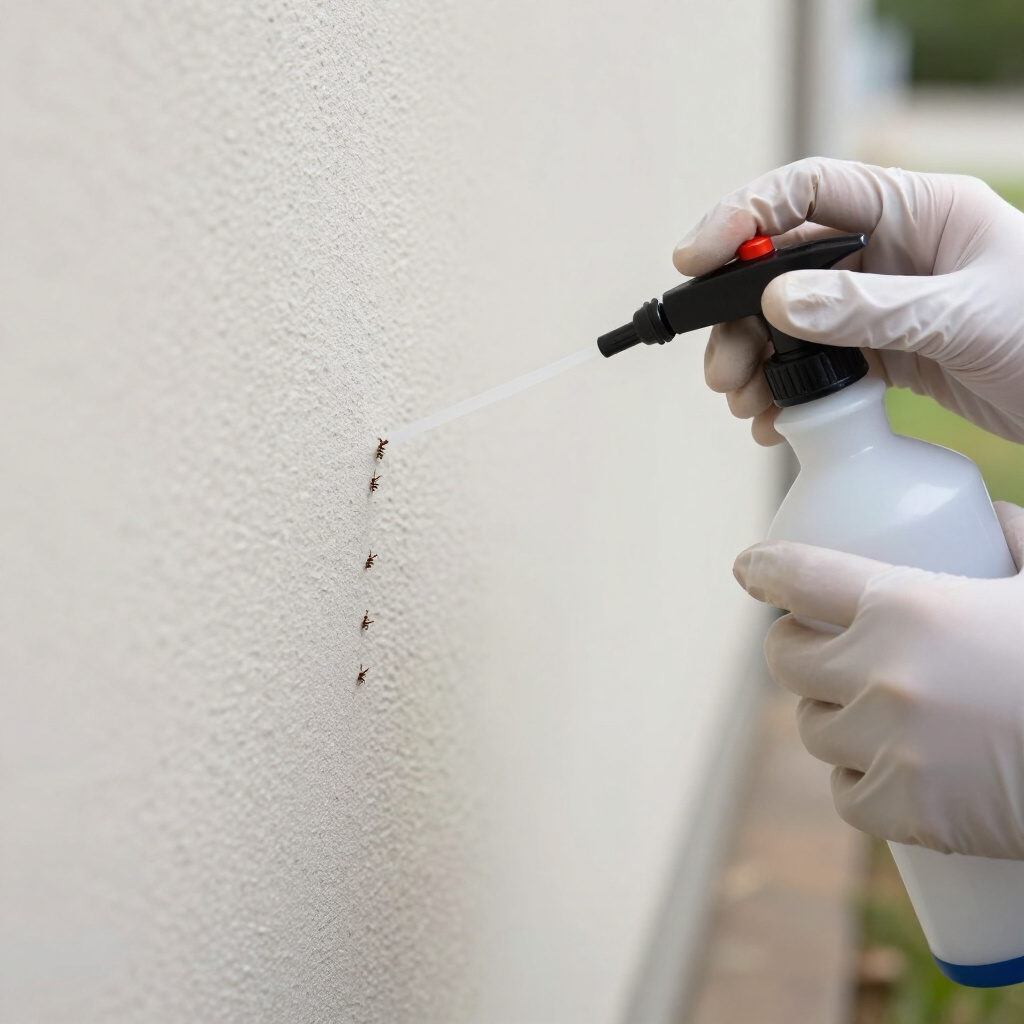
Insect growth regulators (IGRs) won't kill adult roaches immediately but are crucial for long-term control. These compounds prevent nymphs from maturing and reproducing, effectively stopping the population cycle. For severe infestations, professional-grade sprays applied to harborages and entry points can provide rapid knockdown, though they should complement rather than replace baits and IGRs.
Key Tips for Faster Success
Speed matters when you're dealing with cockroaches, so focus your energy where it counts. Apply baits in numerous small pea-sized dots rather than a few large globs—roaches are more likely to discover and share smaller portions throughout their colony. Place them where you've seen activity: along baseboards, behind the refrigerator, in cabinet hinges, and near pipe entry points.
Avoid the common mistake of spraying repellent insecticides near your bait stations. If you contaminate the area with a strong-smelling spray, roaches will avoid both the chemical and your carefully placed bait. Keep treatments separate and strategic.
Seal entry points while you treat. Cockroaches can squeeze through gaps as thin as a dime, so caulk around pipes, weatherstrip doors, and repair torn window screens. Without new recruits coming in, your existing treatments work faster and more completely. Don't forget to declutter—cardboard boxes, stacks of newspapers, and piled laundry provide ideal hiding spots that make elimination nearly impossible.
Be patient but persistent. You should see significant reduction within one to two weeks, but complete elimination often takes longer depending on infestation size and species. Continue monitoring with glue traps to track where activity persists and adjust your approach accordingly.
When to Call a Professional
Sometimes DIY methods aren't enough, and knowing when to escalate saves you time and frustration. If you're seeing cockroaches during daylight hours, finding numerous egg cases, or still spotting them after four to six weeks of consistent treatment, you likely have a large, established population requiring professional intervention. Pest control technicians have access to commercial-grade products, specialized equipment like flushing agents for voids, and the expertise to identify hidden harborage areas you might miss.
Final Thoughts
Learning how to get rid of cockroaches fast comes down to understanding their behavior, removing what sustains them, and applying targeted treatments with precision. These pests didn't invade overnight, and while you can dramatically reduce their numbers quickly, thorough elimination demands consistency. Start tonight by cleaning thoroughly, placing strategic baits, and fixing moisture issues. With the right combination of immediate action and ongoing prevention, you can restore your home to the comfortable, roach-free space it should be—and keep it that way for good.