

Few things send a shiver down the spine quite like spotting an eight-legged visitor scurrying across your bedroom floor or dangling from a ceiling corner. While spiders play a valuable role in controlling other insects, most homeowners prefer them to do their work outside. The good news? Keeping spiders out of your house doesn't require harsh chemicals or constant vigilance—just a smart, layered approach that addresses why they're coming inside in the first place.
How to Keep Spiders Out of Your House by Eliminating Entry Points
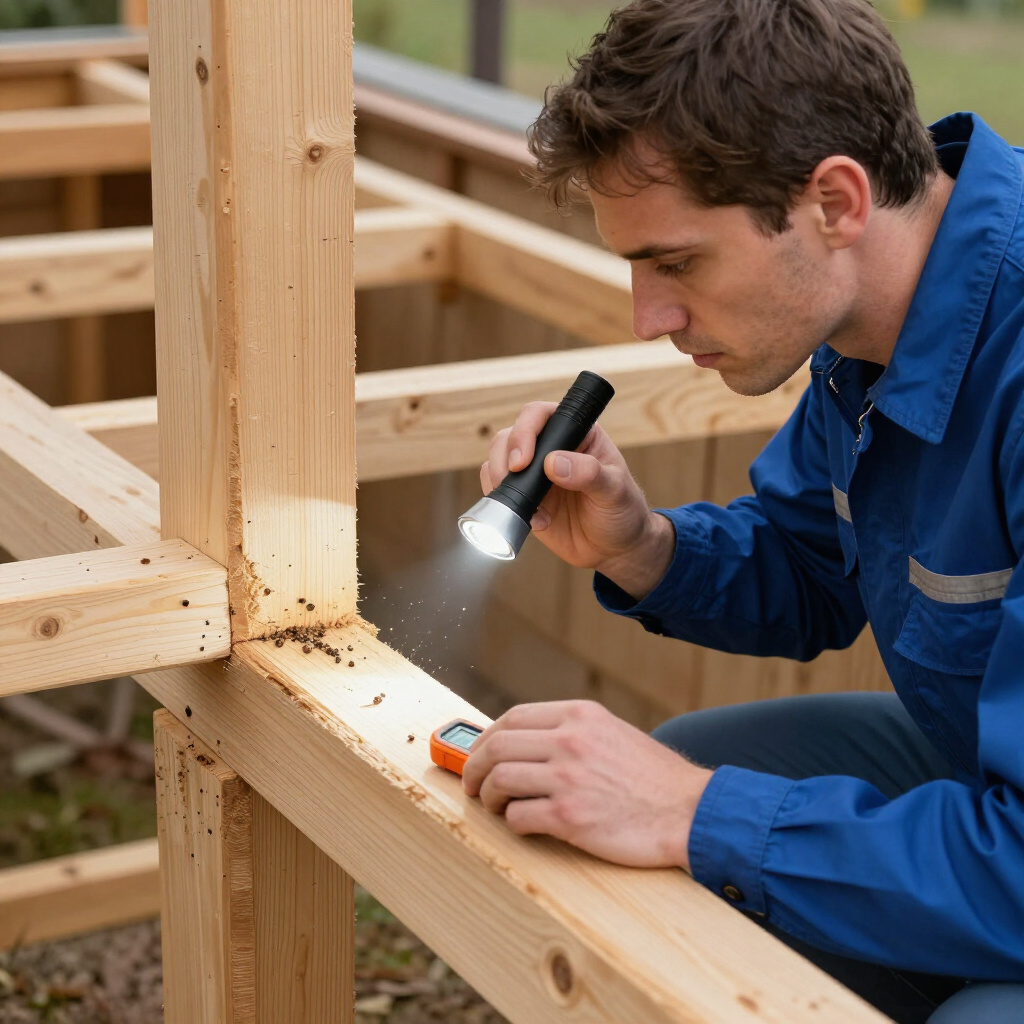
Spiders are master contortionists, capable of squeezing through gaps you'd barely notice. The first and most effective line of defense is making your home physically difficult to penetrate. Start with a thorough exterior inspection during daylight, paying special attention to areas where utilities enter your home, foundation cracks, and gaps around windows and doors.
Weather stripping around doors wears down surprisingly fast—check it seasonally and replace when you notice light peeking through. Door sweeps on exterior doors block the gap between door and threshold where spiders commonly slip inside. For windows, ensure screens fit tightly in their frames without tears or bent corners. Even a small hole in a screen is an open invitation.
Don't overlook less obvious entry routes. Dryer vents, soffit gaps, and crawl space openings all need secure screening—use fine mesh (20-30 mesh) that keeps out spiders while maintaining airflow. Caulk around plumbing penetrations, electrical conduits, and where siding meets trim. These materials are inexpensive and available at any hardware store, making this one of the most cost-effective prevention strategies you can implement.
Remove the Conditions That Attract Spiders
Understanding spider behavior reveals why certain homes seem to attract them repeatedly. Spiders follow food sources, and their food is other insects. A spider problem often signals a broader pest issue that needs attention. Reducing indoor insects automatically reduces spider appeal.
Outdoor lighting deserves special consideration. Standard white lights positioned near doors and windows draw flying insects like moths and mosquitoes, which in turn attract hunting spiders. Switch to yellow or amber LED bulbs, which are far less attractive to insects while still providing adequate illumination for safety and security. Position lights away from the house when possible, so insects gather at the perimeter rather than your entryways.
Landscaping choices significantly impact spider proximity. Dense vegetation, mulch beds, and firewood stacks positioned directly against your foundation create ideal spider harborage. Maintain a clear zone of 12-18 inches between your home's exterior and any plants, debris, or stored materials. Trim shrubs and tree branches so they don't touch the structure—spiders use these as bridges to access walls and rooflines.
Inside, control humidity and clutter. Spiders prefer undisturbed, slightly moist environments. Basements, attics, and storage areas with cardboard boxes and accumulated items offer perfect habitat. Replace cardboard with sealed plastic containers, run dehumidifiers in damp spaces, and regularly disturb quiet corners with cleaning and reorganization.
Key Tips for Ongoing Spider Prevention
Consistency matters more than intensity when maintaining a spider-free home. These practical habits, performed regularly, create an environment where spiders simply aren't interested in staying.
Establish a regular cleaning routine. Vacuuming does double duty—it removes spider webs, egg sacs, and the insect debris that attracts new spiders. Pay attention to ceilings, corners, behind furniture, and under appliances where webs accumulate unnoticed. When you spot a web, remove it promptly; spiders often abandon disturbed locations.
Manage your home's exterior seasonally. In late summer and early fall, many spider species become more active and seek indoor shelter as temperatures drop. This is your critical prevention window. Inspect and refresh your exclusion work before this migration begins. Clear fallen leaves promptly, as they harbor both spiders and their prey.
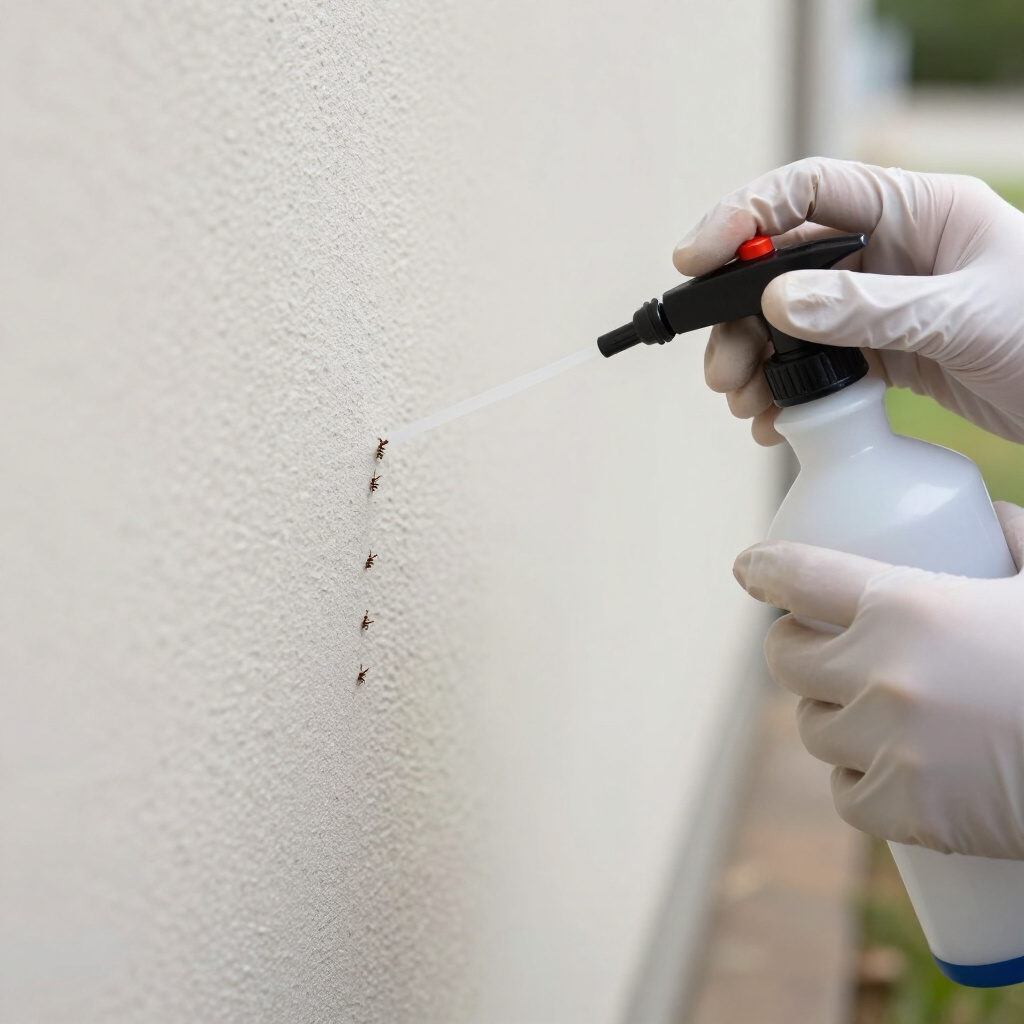
Use targeted treatments cautiously. If you choose to use products, focus on barrier applications at entry points rather than broadcast spraying indoors. Diatomaceous earth, a natural powder made from fossilized algae, can be applied in thin layers along baseboards and in voids where spiders travel. It works mechanically rather than chemically, making it a lower-concern option around children and pets when used as directed.
Address moisture proactively. Fix leaky faucets, improve bathroom ventilation, and ensure gutters direct water well away from your foundation. Damp crawl spaces are particularly problematic—consider encapsulation if this describes your home.
Know when to call professionals. If you're seeing multiple spiders daily, finding dangerously venomous species, or experiencing persistent problems despite your efforts, a pest control professional can identify contributing factors you might miss. They can also safely handle established infestations in hard-to-reach areas.
Final Thoughts
Learning how to keep spiders out of your house successfully comes down to thinking like a spider—or rather, thinking about what they need and removing it. They want entry, shelter, food, and moisture. Systematically reduce each of these, and your home becomes far less appealing than the great outdoors.
The most effective approach combines immediate physical exclusion with longer-term environmental management. Start with the sealing and screening work, then layer in the habitat and moisture modifications. Results build over time, with each improvement compounding the last.
Remember that completely eliminating all spiders from your property isn't realistic or even desirable—they're beneficial predators that help control true pests like mosquitoes, flies, and cockroaches. The goal is balance: keeping spider populations low enough that encounters inside your home become rare events rather than regular occurrences. With the strategies outlined here, that balance is entirely achievable for any homeowner willing to invest a little time and attention.