
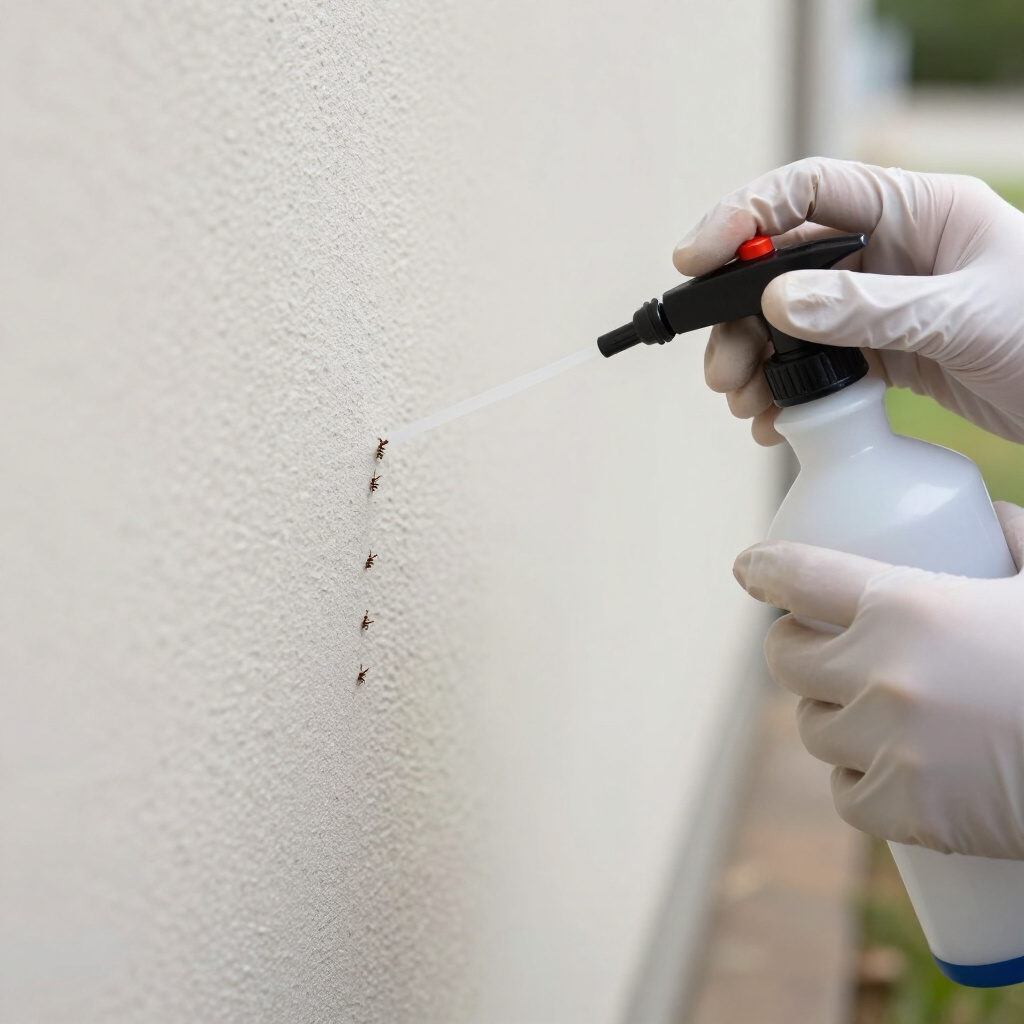


You wake up, shuffle into the kitchen for your morning coffee, and there they are—a thin, determined line of ants marching across your countertop like they own the place. Before you reach for the spray bottle in frustration, take a breath. Ant invasions are incredibly common, especially as seasons shift and these resourceful insects go hunting for food, water, and shelter. The good news? With the right approach, you can stop them before they ever establish a trail through your living space.
How to Prevent Ants From Invading Your Home Starts With Understanding Their Behavior
Ants are not random trespassers. They operate with military precision, sending out scout ants to locate resources and then laying down a pheromone trail for the colony to follow. This is why you often see ants traveling in such neat, predictable lines. Once that chemical highway is established, hundreds—or even thousands—of ants can appear seemingly overnight.
Understanding this behavior is your first defensive tool. If you spot a lone ant wandering across your floor, it is likely a scout. Kill it immediately and wipe down the area with soapy water or vinegar to destroy any pheromone traces. This simple interruption can prevent a full-scale invasion before it begins.
Different ant species also behave differently, which affects your prevention strategy. Sugar ants swarm to sweet spills and ripe fruit. Grease ants, also called protein-loving species, head straight for meat scraps and oily residues. Carpenter ants tunnel through moist wood, causing structural damage over time. Knowing what you are dealing with helps you target the right attractants in your home.
Seal Entry Points to Block Ant Access
Ants are master contortionists. A crack the width of a pencil lead is enough for most species to squeeze through. Your home's exterior is probably riddled with more entry points than you realize, and a thorough inspection is time well spent.
Start by walking the perimeter of your house. Examine window frames, door thresholds, utility penetrations, and foundation cracks. Pay special attention to areas where different building materials meet, such as where siding meets brick or where pipes enter the wall. These junction points often shift and settle, creating gaps over time.
Use silicone caulk for smaller cracks and gaps. For larger openings around pipes or vents, consider steel wool combined with caulk—ants cannot chew through the metal fibers. Replace worn weatherstripping under doors and install door sweeps if gaps exist at the bottom. Do not overlook your windows; damaged screens and ill-fitting sashes are common ant highways.
Indoors, check less obvious routes too. Gaps around electrical outlets, baseboards, and kitchen cabinetry can all serve as internal pathways. While sealing these may not stop ants from entering entirely, it disrupts their travel routes and makes your home far less navigable.
Eliminate Food and Water Sources Inside
The most powerful ant deterrent is also the simplest: remove what they came for. Ants have incredibly efficient foraging instincts, and even tiny food remnants can trigger persistent scouting activity.
In your kitchen, adopt a zero-tolerance policy for exposed food. Store dry goods in airtight containers made of glass, metal, or thick plastic—ants can chew through thin plastic bags and cardboard. Clean your pantry shelves regularly to remove crumbs and spills you might not notice. Keep ripe fruit in the refrigerator rather than on the counter, and never leave dirty dishes soaking overnight.
Pet food bowls are a frequently overlooked attractant. If your pets do not finish their meals immediately, pick up the bowls and store remaining food. Wipe down the feeding area daily, as kibble crumbs and residue draw ants quickly.
Moisture matters just as much as food. Fix leaky faucets, running toilets, and dripping pipes promptly. Ants need water to survive, and a consistent moisture source can sustain a colony even when food is scarce. Empty and dry sink basins before bed, and check under appliances for hidden leaks or condensation buildup.
Your trash and recycling deserve attention too. Use bins with tight-fitting lids, and rinse food containers before tossing them. Take garbage out regularly, especially in warm weather when decomposition accelerates and odors intensify.
Key Tips for Maintaining an Ant-Free Environment
How to prevent ants from invading your home is not a one-time project—it requires consistent habits and seasonal awareness. These targeted strategies will strengthen your defense over time.
Landscaping barriers matter. Trim tree branches and shrubs so they do not touch your house. Ants use vegetation as bridges to bypass ground-level defenses. Keep mulch, firewood, and compost piles at least a foot away from your foundation, as these materials provide ideal nesting habitat.
Manage outdoor attractants. Clean up fallen fruit from trees promptly. Ensure garbage cans have secure lids and sit on hard surfaces rather than directly on soil. If you have hummingbird feeders, check them for leaks and clean up spilled sugar water.
Use natural deterrents strategically. Certain substances disrupt ant trails and repel scouts. White vinegar, diluted and sprayed along baseboards and entry points, erases pheromone trails. Cinnamon, peppermint oil, and diatomaceous earth create barriers that many ant species avoid. These are not permanent solutions, but they buy you time and reduce activity between deeper cleanings.
Know when to call professionals. If you see winged ants indoors, notice wood shavings near baseboards, or find ants returning repeatedly despite your efforts, you may have a nest inside your walls or structure. DIY methods rarely eliminate hidden colonies completely. A licensed pest control professional can identify the species, locate the nest, and apply targeted treatments that protect your home long-term.
Stay vigilant during seasonal transitions. Ant activity surges in spring as colonies awaken and expand, and again in late summer when natural food sources dwindle. Increase your prevention efforts during these windows: inspect seals, deep-clean kitchens, and refresh exterior barriers.
Final Thoughts
Preventing ants from invading your home comes down to making your space unappealing, inaccessible, and difficult to navigate. Seal their entry routes. Eliminate the food and moisture that sustain them. Interrupt scouts before they establish trails. And maintain these habits consistently, not just when you spot ants crawling across your sink.
The effort you invest in prevention pays dividends in peace of mind. No more surprise kitchen encounters. No more wondering if guests noticed the trail along your baseboard. Just a clean, comfortable home that ants recognize—correctly—as somewhere they are not welcome. Start with one or two changes today, build the habits over time, and reclaim your space from these persistent little invaders.