
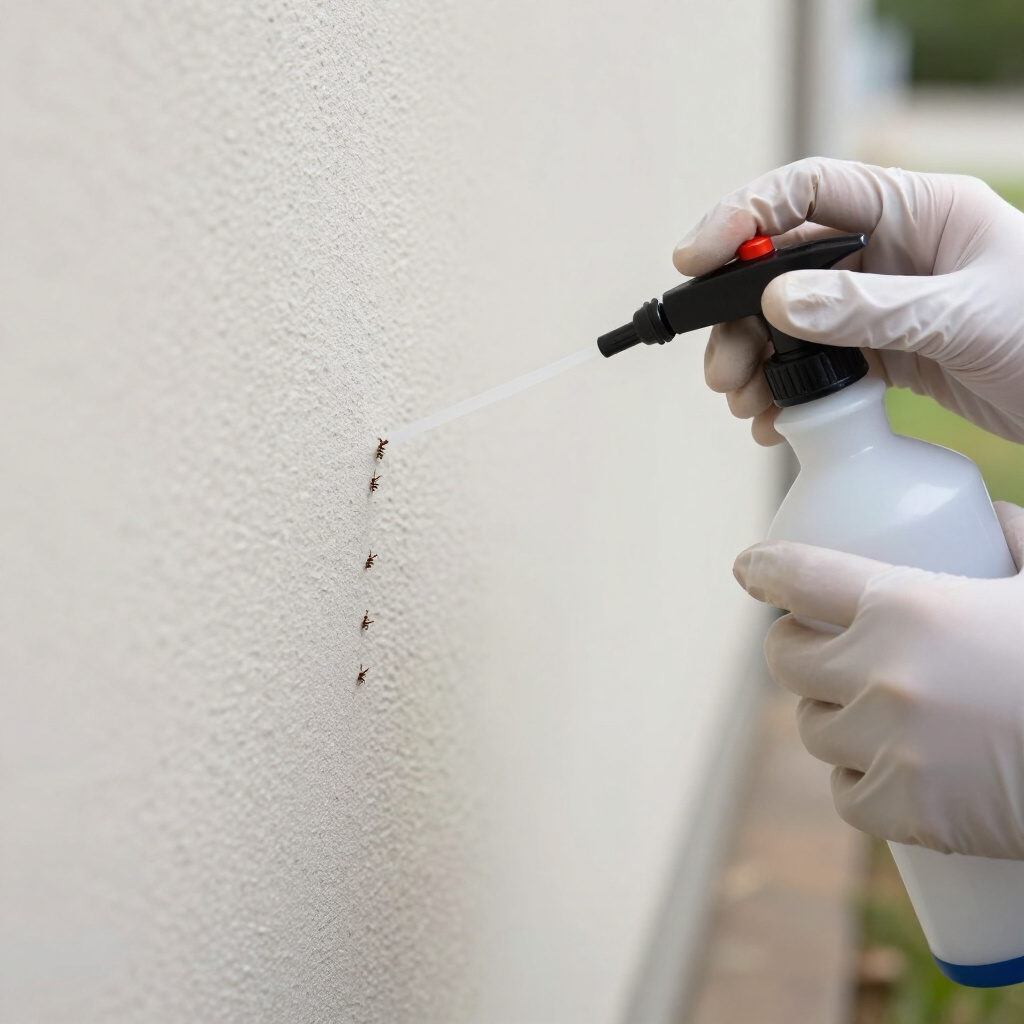


Finding an unwelcome critter in your home can turn an ordinary Tuesday into a stressful scramble for solutions. Whether it's the soft scurry of tiny feet at midnight or a trail of ants marching across your kitchen counter, household pests have a way of making themselves known at the worst possible moments. The good news? Most infestations are entirely preventable with the right knowledge and a few proactive habits. Let's walk through the most common household pests and how to prevent them from turning your space into theirs.
Most Common Household Pests and How to Prevent Them
Understanding which pests are likely to invade—and why—gives you a powerful advantage. Here are the repeat offenders every homeowner should know about.
Ants top the list nearly everywhere. These persistent foragers enter through the tiniest cracks, following invisible scent trails to food sources. Sugar ants swarm to spills and crumbs, while carpenter ants pose a more serious threat by tunneling through damp or decaying wood. Prevention starts with diligent cleanliness: wipe counters daily, store food in sealed containers, and address moisture issues promptly. Seal entry points around windows, doors, and utility lines with caulk. If you spot a scout, clean the trail with vinegar to disrupt the pheromone path before the colony follows.
Cockroaches thrive in warm, humid environments with easy access to food and water. These nocturnal pests multiply rapidly and can trigger allergies and asthma. German cockroaches often hitchhike home in grocery bags or cardboard boxes, while American cockroaches prefer basements and crawl spaces. Keep your home dry by fixing leaks and using dehumidifiers. Store garbage in lidded cans and take it out regularly. Eliminate cardboard clutter where roaches love to hide, and inspect secondhand appliances before bringing them indoors.
Mice and rats seek shelter as temperatures drop, squeezing through gaps as small as a dime. Once inside, they contaminate food, chew wiring, and build nests in quiet corners. Prevention requires a thorough exterior inspection. Seal foundation cracks, install door sweeps, and cover vents with hardware cloth. Inside, store pantry items in glass or metal containers and keep pet food put away overnight. Snap traps and strategic bait stations work well, but placement matters—position them along walls where rodents travel, not in open spaces.
Spiders generally prefer to avoid humans, but their presence signals other insect activity. Most household spiders are harmless and actually help control fly and mosquito populations. However, brown recluses and black widows require caution. Reduce spider populations by eliminating their prey: use yellow-toned outdoor lighting that attracts fewer insects, keep vegetation trimmed back from your foundation, and remove webs regularly. Declutter storage areas where spiders establish undisturbed territory.
Termites work silently, causing billions in property damage before homeowners notice. Subterranean termites build mud tubes to reach wood, while drywood termites need no soil contact. Prevention focuses on moisture control and wood protection. Direct gutter runoff away from your foundation, maintain proper grading, and keep firewood stacked at least twenty feet from your home. Schedule professional inspections annually—these pests rarely reveal themselves until significant damage has occurred.
Bed bugs have resurged dramatically, spreading through travel, secondhand furniture, and shared laundry facilities. These hitchhikers hide in mattress seams, baseboards, and electrical outlets. Protect yourself by inspecting hotel rooms before settling in—check mattress tags, headboard crevices, and upholstered furniture. At home, encase mattresses and box springs, reduce bedroom clutter, and dry potentially infested items on high heat. Never bring home curbside furniture without careful examination.
Mosquitoes turn peaceful evenings into swatting sessions and carry serious health risks. These prolific breeders need surprisingly little water—just a bottle cap's worth can sustain larvae. Walk your property weekly to empty standing water from gutters, plant saucers, bird baths, and children's toys. Maintain screens on windows and doors, and consider planting natural repellents like citronella, lavender, and marigolds near seating areas. For persistent problems, professional larvicide treatments target breeding sites effectively.
Seasonal Pest Prevention Strategies
Pest pressures shift throughout the year, and your prevention efforts should adapt accordingly.
Spring awakens dormant colonies. Ants emerge seeking food, termites swarm to establish new colonies, and overwintering spiders become active. This is your window for preventive perimeter treatments and sealing winter damage before populations explode.
Summer brings peak activity for mosquitoes, flies, and stinging insects. Focus on moisture management, proper food storage during outdoor gatherings, and maintaining physical barriers like screens and weatherstripping.
Fall triggers the great migration indoors. Rodents, spiders, and overwintering boxelder bugs seek warmth. Inspect and seal your home's exterior thoroughly before temperatures drop. Store firewood properly and clean gutters to eliminate attractive habitats.
Winter might seem quiet, but indoor pests become more noticeable as outdoor activity ceases. Cockroaches and rodents remain active in heated spaces. Maintain vigilance with cleanliness and monitor for signs of hidden infestations.
Key Tips for Long-Term Pest Management
Effective prevention isn't about a single dramatic action—it's built on consistent habits that make your home fundamentally unappealing to pests.
Start with the foundation of integrated pest management: exclusion, sanitation, and monitoring. Seal your home's envelope methodically. Even the most thorough spraying won't help if pests simply walk back through the same gap tomorrow. Prioritize kitchen hygiene—sweep floors, wipe surfaces, and manage pet food diligently. A single overlooked crumb can sustain an ant trail for days.
Embrace targeted interventions over blanket chemical applications. Bait stations for ants place poison where foragers carry it back to the colony. Traps for rodents pinpoint problem areas. These approaches minimize environmental impact while maximizing effectiveness.
Know when to call professionals. Recurring infestations, wood-destroying organisms, and health-threatening pests like venomous spiders warrant expert assessment. Licensed technicians access stronger tools and identify underlying conditions you might miss. Most importantly, they provide peace of mind that the problem is resolved thoroughly.
Finally, inspect proactively rather than reactively. Quarterly walkthroughs of your home's exterior, attic, and basement catch developing issues before they escalate. Look for droppings, shed skins, mud tubes, damaged materials, and live specimens. Early detection transforms manageable problems into simple fixes.
Final Thoughts
Most Common Household Pests and How to Prevent Them isn't merely about eliminating creepy-crawlies—it's about protecting your health, your home's structural integrity, and your peace of mind. The pests we've covered share common requirements: food, water, shelter, and entry access. Remove these elements systematically, and you transform your home from an inviting target into an impenetrable fortress.
Prevention demands consistency, but the payoff is substantial. Fewer chemical interventions, reduced repair costs, and the simple comfort of knowing your space belongs entirely to you. Start with one room, one season, one habit. Small steps compound into lasting protection. And when uncertainty arises, remember that professional guidance is an investment in your home's long-term wellbeing—not an admission of defeat.