

If you're tired of sharing your home with uninvited guests but hesitate to reach for harsh chemicals, you're not alone. More homeowners than ever are turning to natural pest control methods that actually work—solutions that protect their families, pets, and the environment without sacrificing effectiveness. The good news? Nature has been handling pest problems for millennia, and many of these time-tested approaches can work beautifully in your home and garden when applied correctly.
Natural Pest Control Methods That Actually Work Start in the Kitchen
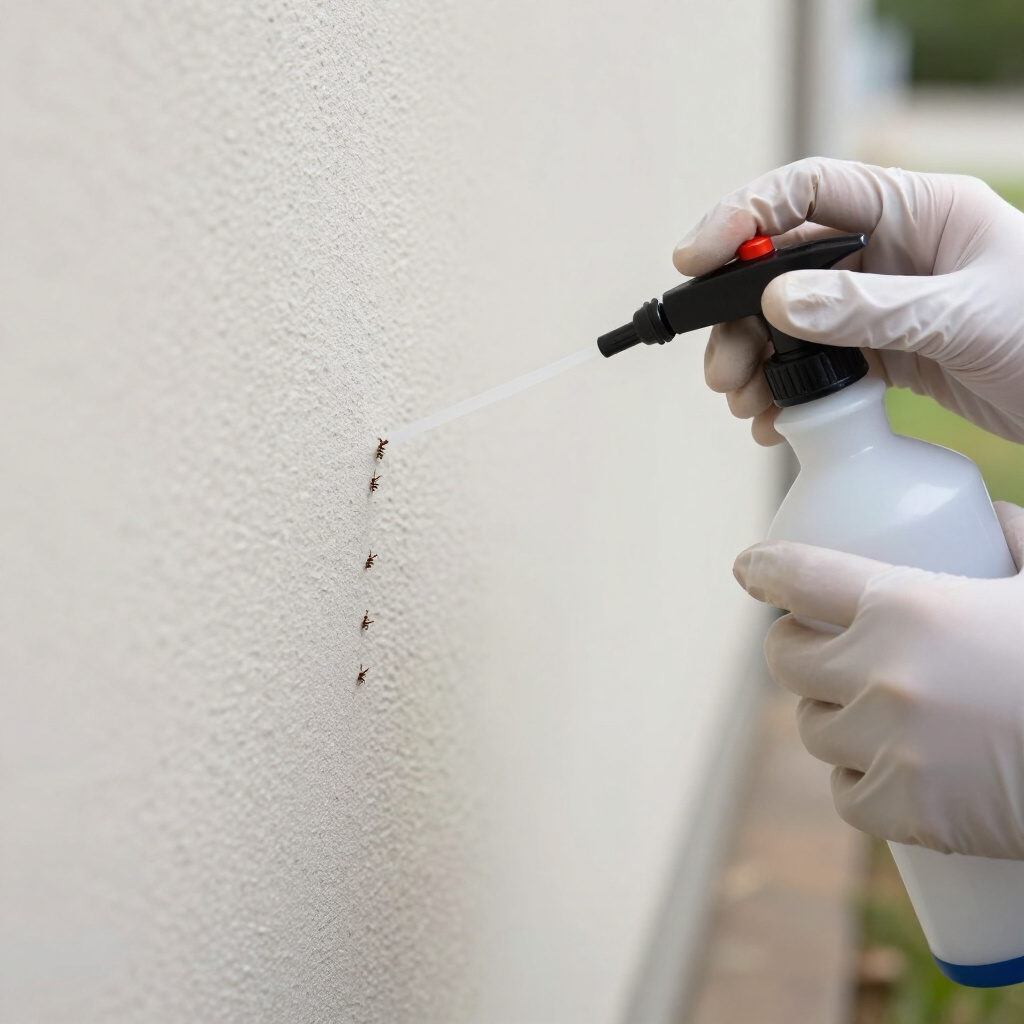
Your pantry already holds powerful pest-fighting ingredients. White vinegar disrupts the scent trails that ants use to navigate, making it an excellent deterrent when sprayed along entry points and countertops. For a more potent solution, mix equal parts vinegar and water with a few drops of essential oil like peppermint or tea tree. Diatomaceous earth deserves special mention as one of the most versatile natural pest control methods that actually work. This fine powder, made from fossilized aquatic organisms, damages the exoskeletons of crawling insects like ants, cockroaches, and fleas, causing them to dehydrate. Sprinkle it lightly in cracks, behind appliances, and along baseboards—just ensure you're using food-grade diatomaceous earth and reapplying after vacuuming or mopping. Baking soda offers another surprising weapon. Mixed with a touch of sugar to attract roaches, it proves fatal when ingested. A simple paste of baking soda and water can also deter silverfish when applied to damp-prone areas.
Harness the Power of Plants and Essential Oils
Certain plants have evolved their own chemical defenses against insects, and we can borrow these for our homes. Lavender, mint, rosemary, and lemongrass naturally repel mosquitoes, flies, and moths. Plant them around entryways, crush fresh leaves to release their oils, or use their dried forms in sachets for closets and drawers. Essential oils concentrate these protective compounds. Peppermint oil repels spiders, ants, and mice—add 15-20 drops to a spray bottle filled with water and mist problem areas weekly. Eucalyptus and citronella oils work wonders against mosquitoes, while cedarwood oil targets moths and carpet beetles. Always dilute essential oils properly and keep them away from pets, as some oils can be toxic to cats and dogs in concentrated form. For garden pest control, companion planting creates natural barriers. Marigolds deter aphids and nematodes with their root secretions. Nasturtiums act as trap crops, luring pests away from your vegetables. Basil repels flies and mosquitoes while improving tomato flavor—a delightful bonus.
Physical Barriers and Biological Solutions
Sometimes the simplest natural pest control methods that actually work involve blocking access entirely. Copper tape creates a mild electrical charge that slugs and snails refuse to cross—perfect for protecting container gardens. Fine mesh screens and door sweeps eliminate entry points for flying and crawling invaders. Sticky traps, while not glamorous, provide excellent monitoring and control for fungus gnats, fruit flies, and spider mites. In the garden, biological control harnesses nature's own checks and balances. Ladybugs voraciously consume aphids, mealybugs, and mites—release them at dusk near infested plants. Nematodes, microscopic roundworms, target soil-dwelling pests like grubs and cutworms without harming earthworms or plants. Praying mantises offer broad-spectrum control, though they'll eat beneficial insects too. Birds, bats, and beneficial insects need habitat to stick around. A small water feature, native flowering plants, and undisturbed brush piles encourage these natural allies to take up residence and patrol your property.
Key Tips for Success
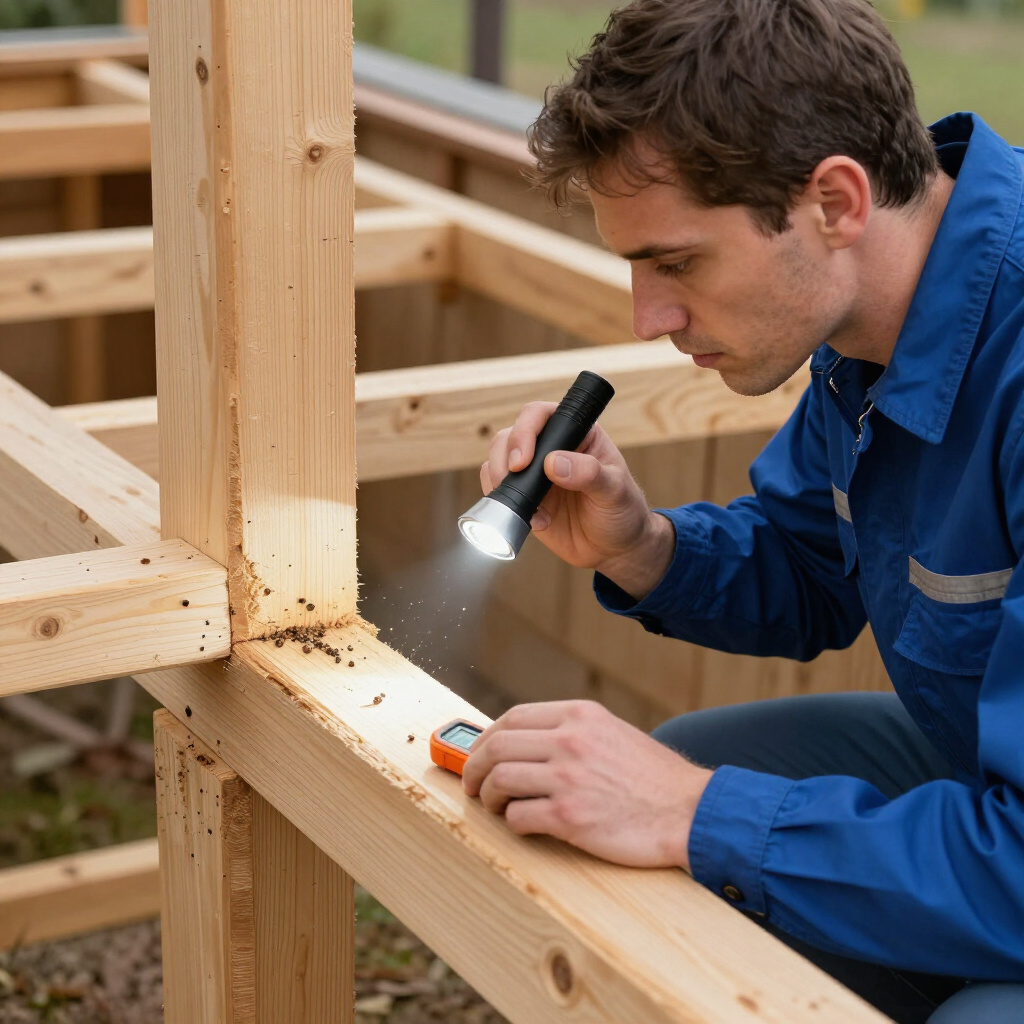
Natural pest control requires patience and consistency—it's prevention and management, not instant annihilation. Start with proper identification; treating for ants when you actually have odorous house ants versus carpenter ants demands different approaches. Eliminate attractants by storing food in sealed containers, fixing leaky pipes promptly, and keeping counters crumb-free. Apply treatments strategically rather than broadly. A line of diatomaceous earth at entry points outperforms dusting your entire home. Refresh natural sprays every few days, as they lack the persistence of synthetic chemicals. Combine methods for best results—barriers plus repellents plus habitat modification creates multiple obstacles pests struggle to overcome. Know when to escalate. Natural methods excel for minor to moderate infestations, but severe problems—termites, bed bugs, or extensive rodent issues—warrant professional intervention. A reputable pest control company can integrate natural approaches with targeted treatments when necessary.
Final Thoughts
Effective pest management doesn't require choosing between a chemically saturated home and surrendering to invaders. Natural pest control methods that actually work offer a middle path—one that respects both your living space and the broader ecosystem. Start with prevention, layer multiple strategies, and adjust based on what your specific situation demands. With persistence and the right knowledge, you can reclaim your home and garden using tools that have proven their worth across generations.