
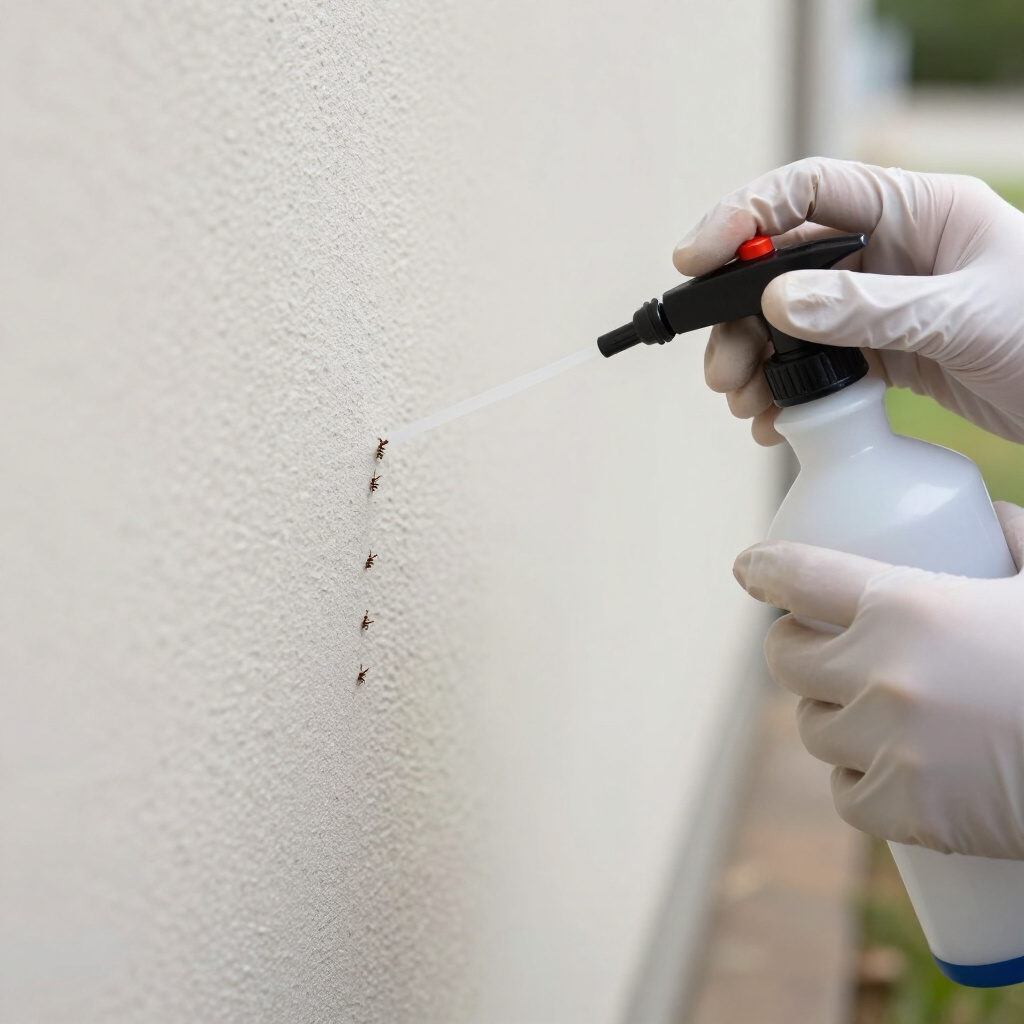


Keeping your home pest-free isn't a one-time task—it's a year-round commitment that changes with the seasons. As temperatures shift and weather patterns evolve, different pests emerge, seeking shelter, food, and water inside your living spaces. A proactive, seasonal approach to pest management saves you stress, protects your property, and keeps your family comfortable. This seasonal pest control checklist for homeowners will walk you through exactly what to do each quarter to stay ahead of infestations before they start.
Spring: Awakening and Entry Points
As winter thaws and life reemerges, pests become active again. Ants begin foraging, termites swarm, and overwintering insects like ladybugs and stink bugs wake up inside your walls. This is the critical season for prevention.
Start with a thorough exterior inspection. Walk your property and seal every crack and gap you find. Pay special attention to where utility lines enter your home, gaps around windows and doors, and foundation cracks. Replace damaged weatherstripping and install door sweeps where needed.
Clear winter debris from gutters and downspouts—standing water and clogged drainage attract mosquitoes and create moisture problems that draw carpenter ants and termites. Trim shrubs and tree branches back at least 18 inches from your home's exterior to eliminate natural bridges for pests.
Inside, deep-clean kitchen cabinets, pantry shelves, and appliance areas where crumbs accumulate. Store dry goods in airtight containers. If you notice mud tubes on foundation walls or discarded wings near windowsills, contact a professional immediately—these are signs of termite activity.
Summer: Peak Activity and Moisture Management
Summer brings the highest pest pressure of the year. Mosquitoes, flies, wasps, and fleas thrive in warm conditions, while ants and cockroaches intensify their search for food and cooler indoor spaces.
Your seasonal pest control checklist for homeowners should prioritize moisture management during these months. Fix leaky outdoor faucets and ensure air conditioning condensate drains properly. Empty standing water from birdbaths, plant saucers, and children's toys weekly—mosquitoes need only a bottle cap of water to breed.
Maintain your lawn and landscaping diligently. Keep grass cut short and remove leaf litter promptly. Stack firewood at least 20 feet from your home and elevate it off the ground. This reduces harborage for termites, ants, spiders, and rodents.
For outdoor entertaining, use screened tents when possible and keep food covered. Install or repair window and door screens with mesh fine enough to exclude no-see-ums and other tiny insects. Consider yellow LED or sodium vapor bulbs for outdoor lighting, as these attract fewer flying insects than standard white lights.
Fall: The Invasion Season
As temperatures drop, pests shift from reproduction to survival mode. Rodents, boxelder bugs, cluster flies, and stink bugs actively seek overwintering shelters—and your warm home is their target.
This is your last opportunity for exterior defense before winter. Re-inspect and reinforce all seals, especially around the roofline, attic vents, and chimney openings. Install hardware cloth over attic vents and chimney caps to block entry while maintaining ventilation. Check garage door seals and repair any damage.
Inside, declutter storage areas where rodents could nest. Store holiday decorations, fabrics, and paper goods in sealed plastic containers rather than cardboard boxes. Inspect your attic for signs of bats or flying squirrels, which often enter through gaps as small as half an inch.
Continue your seasonal pest control checklist for homeowners by scheduling a professional inspection if you live in an area prone to rodents or overwintering pests. Preventive treatments applied in late fall can significantly reduce indoor pest problems through winter.
Winter: Monitoring and Interior Focus
Pest activity slows but doesn't stop in winter. Mice and rats remain active year-round, and indoor pests like cockroaches, silverfish, and pantry moths can thrive unnoticed in heated homes.
Use this quieter season for detailed interior maintenance. Inspect and clean rarely visited spaces: basements, crawl spaces, attics, and utility rooms. Look for droppings, gnaw marks, grease rubs along baseboards, and damaged packaging—these indicate active infestations requiring prompt action.
Maintain consistent sanitation. Don't let dishes pile up, store pet food in sealed containers, and take garbage out regularly. Reduce indoor humidity with proper ventilation in bathrooms and kitchens; many pests need less water than you'd expect, but drier conditions still discourage them.
Check stored firewood before bringing it indoors, even for short periods. Insects and spiders dormant in wood can quickly become active in warm interiors. Keep firewood outside until immediately needed.
Key Tips for Year-Round Success
Certain practices deserve attention regardless of season. First, maintain detailed records of what you observe and when. Patterns emerge over time—perhaps ants consistently appear after heavy rain, or wasps nest in the same eave each spring. This intelligence helps you anticipate and prevent problems.
Practice integrated pest management by combining physical, cultural, and biological controls before considering chemical treatments. Exclusion and sanitation solve most problems without pesticide exposure. When treatments become necessary, target them precisely rather than applying broad applications.
Know when to call professionals. DIY prevention handles most seasonal maintenance, but active infestations of termites, bed bugs, or extensive rodent problems require specialized expertise. Annual professional inspections, especially in termite-prone regions, provide valuable peace of mind.
Finally, coordinate with neighbors when possible. Pests don't respect property lines. Community-wide efforts to reduce standing water, maintain landscapes, and seal structures multiply everyone's effectiveness.
Final Thoughts
A well-executed seasonal pest control checklist for homeowners transforms pest management from reactive crisis response into calm, systematic prevention. Each season presents distinct challenges and opportunities. Spring demands sealing and cleaning. Summer requires moisture vigilance. Fall calls for defensive reinforcement. Winter invites thorough interior inspection and maintenance.
By aligning your efforts with natural pest cycles, you stay ahead of problems rather than chasing them. Your home remains the comfortable, healthy sanctuary it should be—through every season, year after year. Start with this season's tasks today, and build habits that protect your home for the long term.