

Termites are often called "silent destroyers" for good reason. These tiny pests can chew through wood, flooring, and even wallpaper undetected, causing thousands of dollars in damage before homeowners realize there's a problem. The good news? Termites do leave behind clues if you know where to look. Learning the early warning signs can help you catch an infestation before it spirals out of control and protect your biggest investment—your home.
Signs You May Have Termites: Visible Indicators Around Your Home
One of the first places homeowners notice termite activity is in and around wooden structures. Subterranean termites, the most common type in the United States, build distinctive mud tubes to travel between their colony and food sources. These pencil-width tunnels often appear on foundation walls, crawl spaces, or exterior surfaces and serve as protected highways that keep termites moist and safe from predators.
Damaged wood is another telltale sign. Tap on baseboards, window sills, door frames, and hardwood floors. If the wood sounds hollow or feels soft and gives way easily under pressure, termites may have been feeding inside. Unlike carpenter ants, which push out coarse sawdust, termites consume the wood itself, leaving behind a thin veneer that can crumble when touched.
Swarming season brings perhaps the most obvious warning. Winged termites, called swarmers, emerge in spring to mate and establish new colonies. Finding discarded wings near windowsills, doorways, or light fixtures indicates a mature colony nearby. These wings often pile up in small heaps and are all the same size—unlike ant wings, which have two distinct sizes.
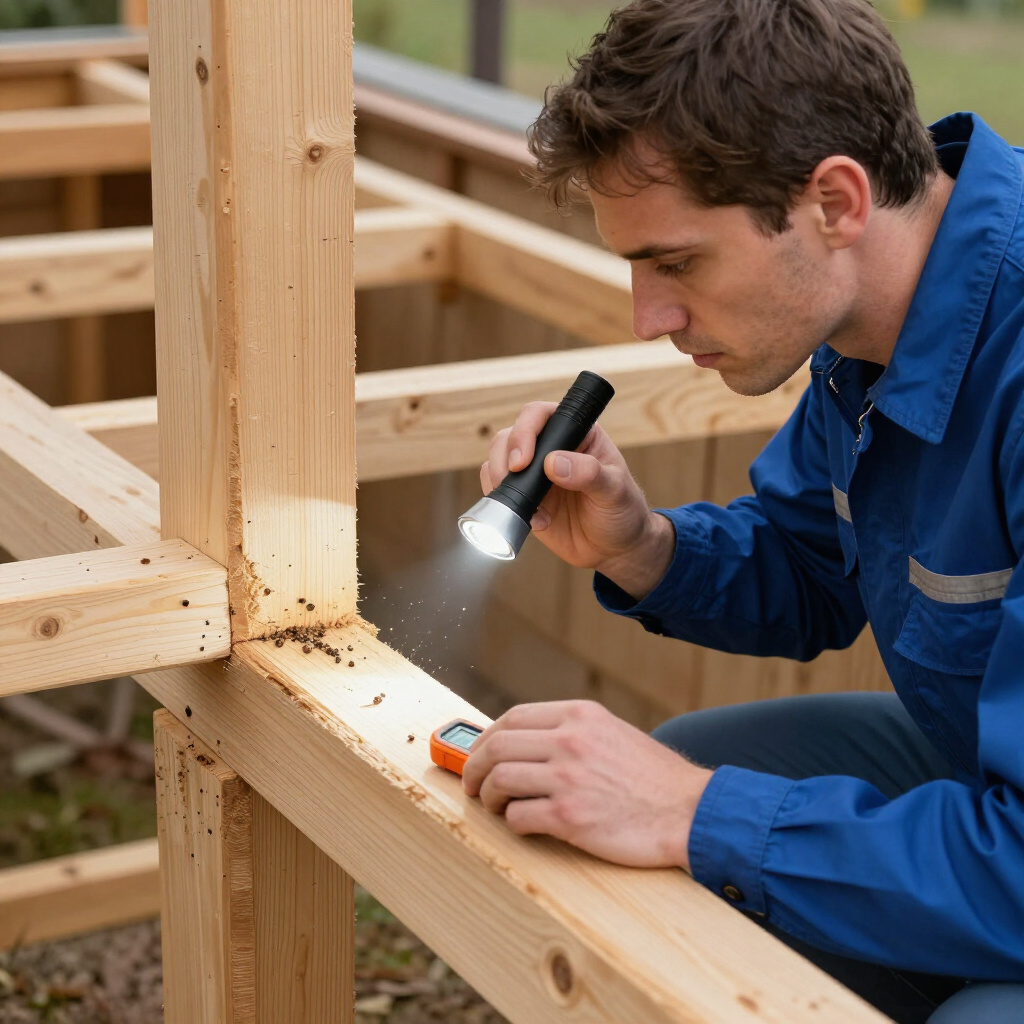
Frass, or termite droppings, signals drywood termite activity. These tiny, pellet-like mounds resemble sawdust or coffee grounds and typically accumulate below infested wood. Since drywood termites don't need soil contact, they can establish colonies directly in attic rafters, furniture, or structural timbers, making their frass a critical discovery.
Subtle Signs That Often Go Unnoticed
Not all termite evidence announces itself boldly. Some indicators require closer attention. Peeling paint that resembles water damage, for instance, can actually result from termites introducing moisture into walls as they tunnel. Similarly, squeaky floorboards, doors that suddenly stick, or windows that become difficult to open may indicate warping from hidden termite damage rather than simple humidity changes.
Your yard can also reveal underground activity. Dead or dying trees, hollow stumps, or damaged landscaping timbers may harbor colonies that could eventually reach your home. Pay special attention to wood-to-soil contact points, such as fence posts, deck supports, or firewood stacked against the house. These create perfect bridges for termites seeking new food sources.
Inside your home, listen for quiet clicking sounds within walls. Soldier termites bang their heads against wood or shake their bodies to signal danger to the colony, producing faint but detectible noises. While not everyone will hear this subtle communication, it underscores how active these insects remain even when hidden from view.
Key Tips for Protecting Your Property
Regular inspections form your best defense against termite damage. Walk your property's perimeter seasonally, examining foundation walls, crawl space vents, and exterior wood. Maintain at least six inches of clearance between soil and any wood siding, and ensure gutters direct water well away from your foundation since excess moisture attracts termites.
Store firewood, lumber, and mulch at least twenty feet from your home and keep it elevated off the ground. Remove old tree stumps, decaying wood, and cardboard debris from your yard promptly. Inside, reduce humidity with proper ventilation and dehumidifiers in crawl spaces, basements, and attics where termites thrive.
Professional annual inspections provide invaluable peace of mind. Licensed pest control technicians possess the training and tools to detect early infestations in areas homeowners rarely examine, such as behind wall voids, beneath subflooring, and within crawl spaces. They can also identify conducive conditions you might miss and recommend targeted treatments before damage escalates.
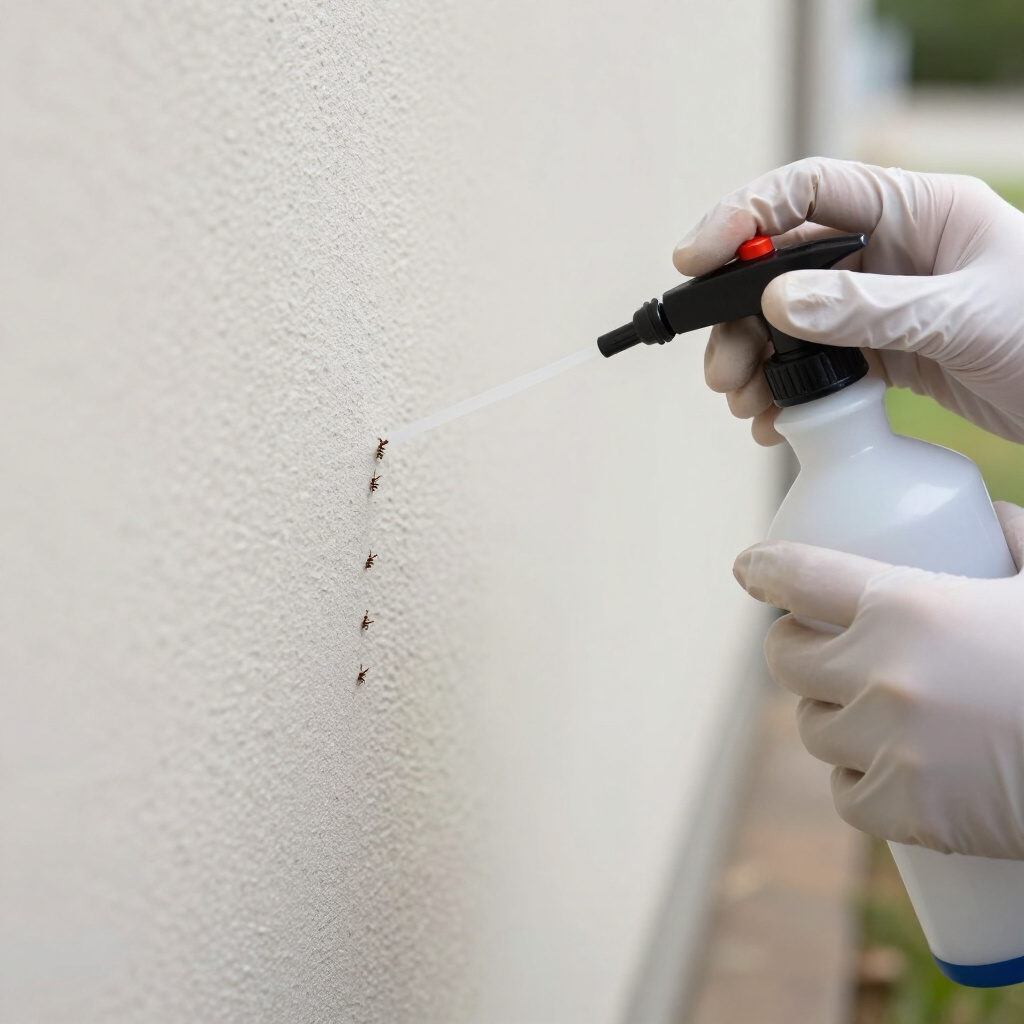
If you discover any signs you may have termites, resist the urge to handle treatment yourself. Over-the-counter solutions rarely eliminate entire colonies and may simply drive termites deeper into hiding, making professional eradication more difficult and expensive later. Prompt expert intervention preserves more of your home's structure and typically costs significantly less than extensive repairs.
Final Thoughts
Termites work slowly but relentlessly, and their damage compounds over time. The difference between minor treatment and major reconstruction often comes down to how quickly homeowners recognize and respond to warning signs. By familiarizing yourself with the visible and subtle indicators of termite activity, maintaining vigilant prevention habits, and partnering with qualified professionals for regular inspections, you safeguard both your home's integrity and your financial security. Trust your observations—when something seems off with your wood, walls, or yard, investigating promptly beats regretting inaction.