


Residential Pest Control in Bridgeton, New Jersey
Bridgeton sits at the heart of Cumberland County, where the Cohansey River and surrounding wetlands create ideal conditions for persistent pest problems. Local homeowners deal with moisture-loving invaders that thrive in South Jersey's humid climate, from the historic districts near the downtown corridor to newer developments along Route 49.
Termite damage represents one of the most costly threats to Bridgeton properties, particularly in older homes with wooden foundations common throughout the city. Subterranean termites remain active year-round in this region, with swarmers typically appearing during warm spring rains. Professional inspections catch infestations before structural damage becomes extensive.
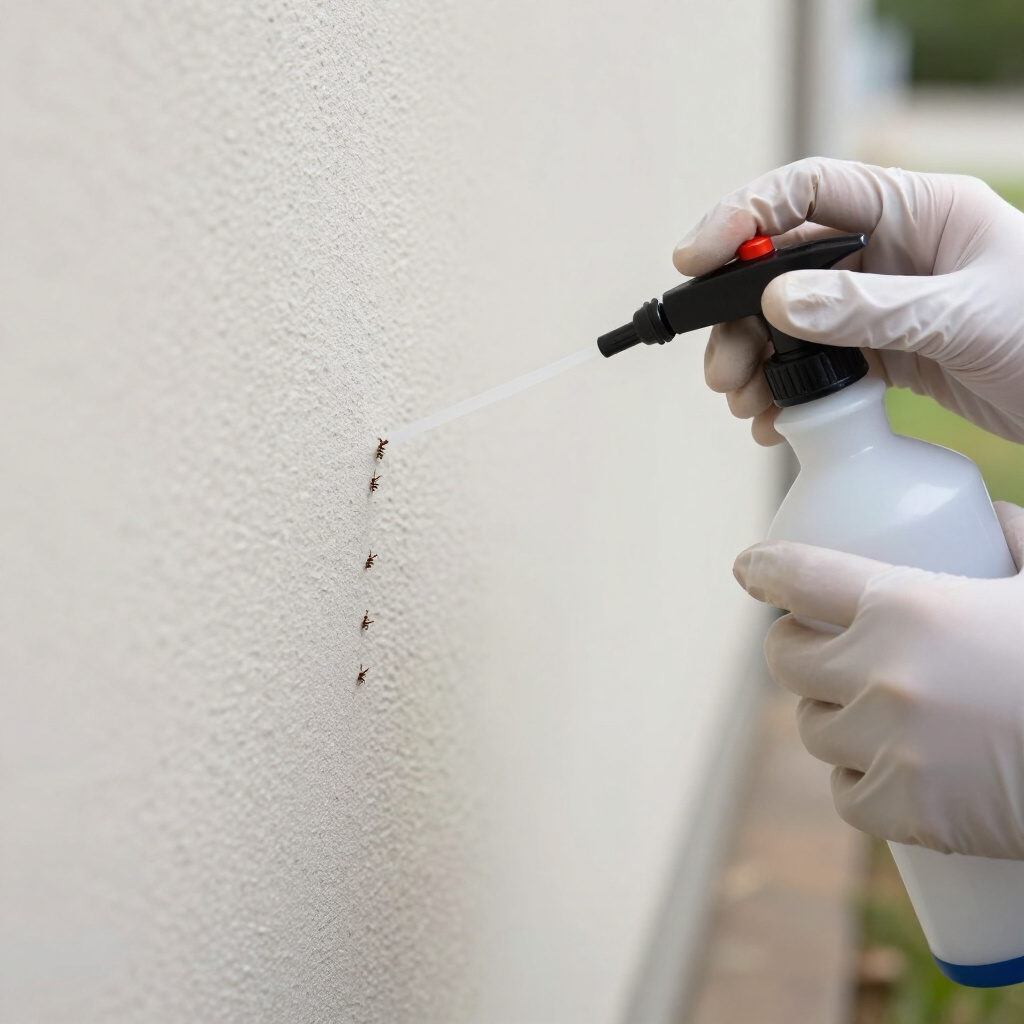
Ant problems escalate quickly during summer months. Odorous house ants, pavement ants, and carpenter ants all establish colonies throughout Bridgeton neighborhoods. Carpenter ants specifically target damp or decaying wood, making river-adjacent properties especially vulnerable. Proper identification determines whether baiting systems or direct treatment approaches work best.
Mosquito control demands attention from late April through October in Cumberland County. The standing water along marshy areas and in poorly drained yards produces continuous breeding cycles. Source reduction combined with targeted adulticide applications provides the most effective relief for outdoor spaces.
Rodent activity increases as temperatures drop, with Norway rats and house mice seeking shelter in basements, crawl spaces, and wall voids. Bridgeton's mix of residential and commercial zones gives rodents ample opportunity to travel between food sources. Exclusion work sealing entry points proves essential for lasting control.
Commercial Pest Management for Bridgeton Businesses
Businesses along Laurel Street, Pearl Street, and throughout the Bridgeton Historic District face unique pest pressures tied to food service, retail, and warehousing operations. Restaurants and food processors in particular require vigilant programs meeting New Jersey health code standards.
Integrated Pest Management approaches work best for commercial accounts, combining monitoring, sanitation improvements, targeted treatments, and documentation for health inspections. Warehouses and distribution centers near industrial parks contend with stored product pests including Indian meal moths, sawtoothed grain beetles, and warehouse beetles that contaminate inventory.
Healthcare facilities, schools, and childcare centers throughout the Bridgeton area need specialized protocols using reduced-risk products in sensitive environments. These programs emphasize prevention and non-chemical methods wherever possible while maintaining effective protection.
Common Pest Questions for Bridgeton Homeowners
What pests are most problematic in Bridgeton during spring?
Spring brings termite swarms, ant colony expansion, and increasing mosquito activity throughout Cumberland County. The combination of warming temperatures and seasonal rainfall triggers pest emergence from overwintering sites. Homeowners should watch for mud tubes on foundations, ant trails leading indoors, and standing water accumulation in yard areas.
How does proximity to the Cohansey River affect pest pressure?
Properties near the river and associated wetlands experience elevated moisture levels that attract termites, carpenter ants, silverfish, and millipedes. Higher humidity also extends mosquito breeding seasons. Proper drainage, vapor barriers in crawl spaces, and routine perimeter treatments help counter these environmental factors.
Are quarterly pest control services necessary in South Jersey?
Given Bridgeton's extended warm season and diverse pest pressures, quarterly service provides consistent protection against the region's most common invaders. The mild winters here allow some pest activity year-round, and scheduled treatments adapt seasonally to address changing threats from spring termites through fall rodent entry.
Seasonal Pest Patterns in Cumberland County
Understanding local pest calendars helps Bridgeton residents anticipate and prevent problems. March through May brings termite swarming and ant emergence as soil temperatures rise. June through August peaks for mosquito, tick, and stinging insect activity. September through November triggers rodent movement indoors and occasional stink bug aggregations. December through February sees continued rodent pressure and sporadic indoor pest issues when cold snaps drive insects into heated structures.
Tick populations deserve particular attention in rural and semi-rural parts of Cumberland County surrounding Bridgeton. Blacklegged ticks transmit Lyme disease, and lone star ticks carry additional pathogens. Property perimeter treatments combined with landscape management reduce exposure risks for families and pets.