


Pest Control Services in Butler, NJ
Butler sits in the northeastern corner of Passaic County, where the Pequannock River and nearby reservoirs create pockets of moisture that pests find irresistible. Homeowners here deal with a rotating cast of invaders throughout the year—each season bringing its own challenges to this Morris County-border community.
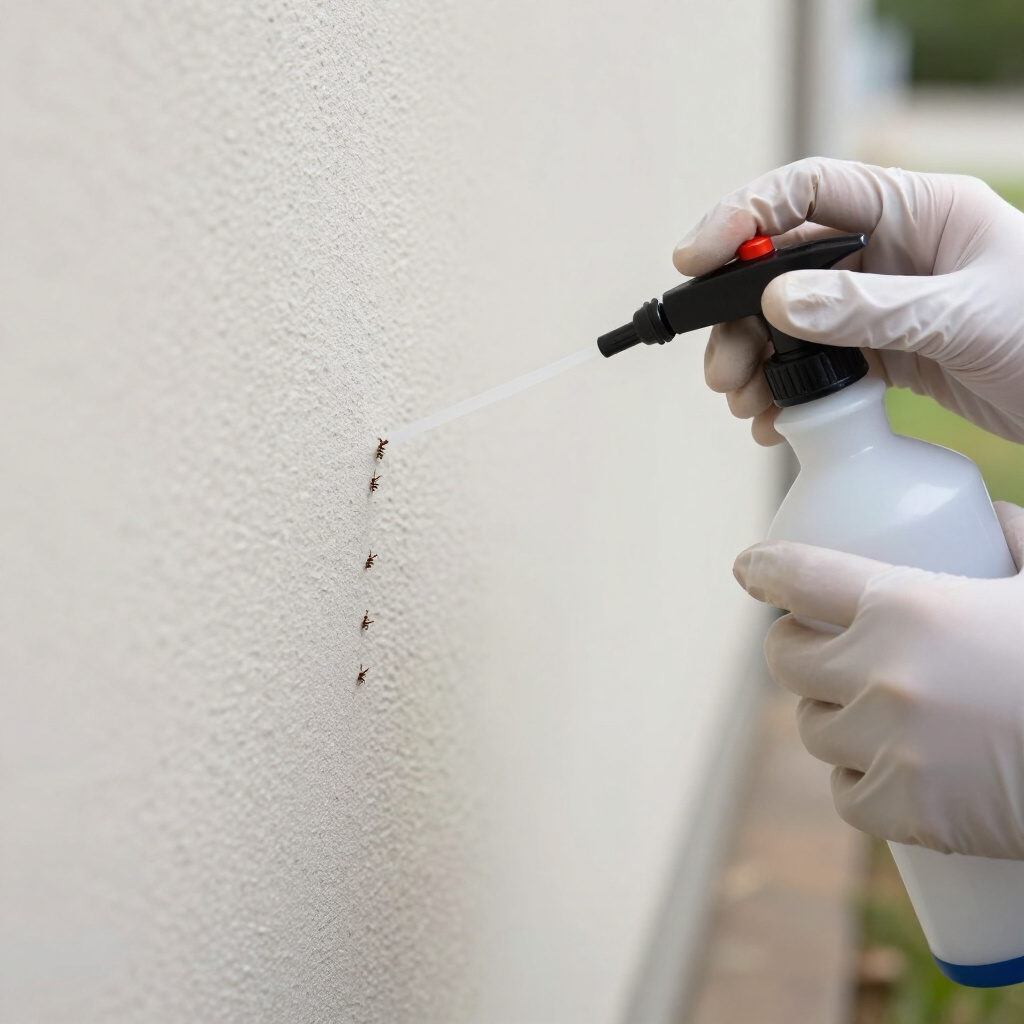
Our technicians know Butler's neighborhoods well, from the older homes near Main Street to the newer developments off Boonton Avenue. We've treated properties along the river corridor where subterranean termites exploit damp soil conditions, and we've cleared ant infestations from kitchens in hillside homes where pavement ants march in through foundation cracks.
Spring and summer in Butler mean heightened mosquito and tick activity, particularly near wooded lots and the Pequannock River watershed. Our yard treatments target breeding zones while keeping pollinators safe. Fall brings rodent pressures as mice and rats seek warmth in basements and wall voids—something we've addressed repeatedly in Butler's century-old housing stock.
We also handle bed bug eliminations, wasp and hornet nest removals, spider control for ground-level and basement areas, and cockroach treatments for multi-unit buildings. Commercial properties along Route 23 rely on our discreet, scheduled maintenance programs to stay compliant and pest-free.
Common Pest Questions for Butler Homeowners
Why do I see more ants in my Butler home during spring rains?
Butler's clay-heavy soils saturate quickly during spring storms, forcing pavement ants and carpenter ants to seek higher, drier ground—often your kitchen or basement. The combination of older construction with settled foundations and nearby wooded areas creates perfect entry corridors. We trace these trails to exterior nesting sites and treat both the colony source and your interior barriers.
Are termites a serious threat in Butler's older neighborhoods?
Yes. Butler has significant housing stock from the early-to-mid 1900s built with minimal termite protection. The Pequannock River corridor maintains consistently moist soil conditions that eastern subterranean termites prefer. We recommend annual inspections for homes over 30 years old, particularly those with wood-to-ground contact, finished basements, or previous moisture issues. Our monitoring and liquid barrier treatments protect these vulnerable structures.
How do you handle mosquito control near Butler's reservoirs and wetlands?
We use targeted larvicide applications in standing water sources and adulticide treatments to foliage and shaded resting areas—never blanket spraying that harms beneficial insects. Butler's proximity to the Newark watershed lands means we pay special attention to environmental stewardship, using EPA-registered products with precise application timing to break breeding cycles without impacting the area's sensitive water resources.