
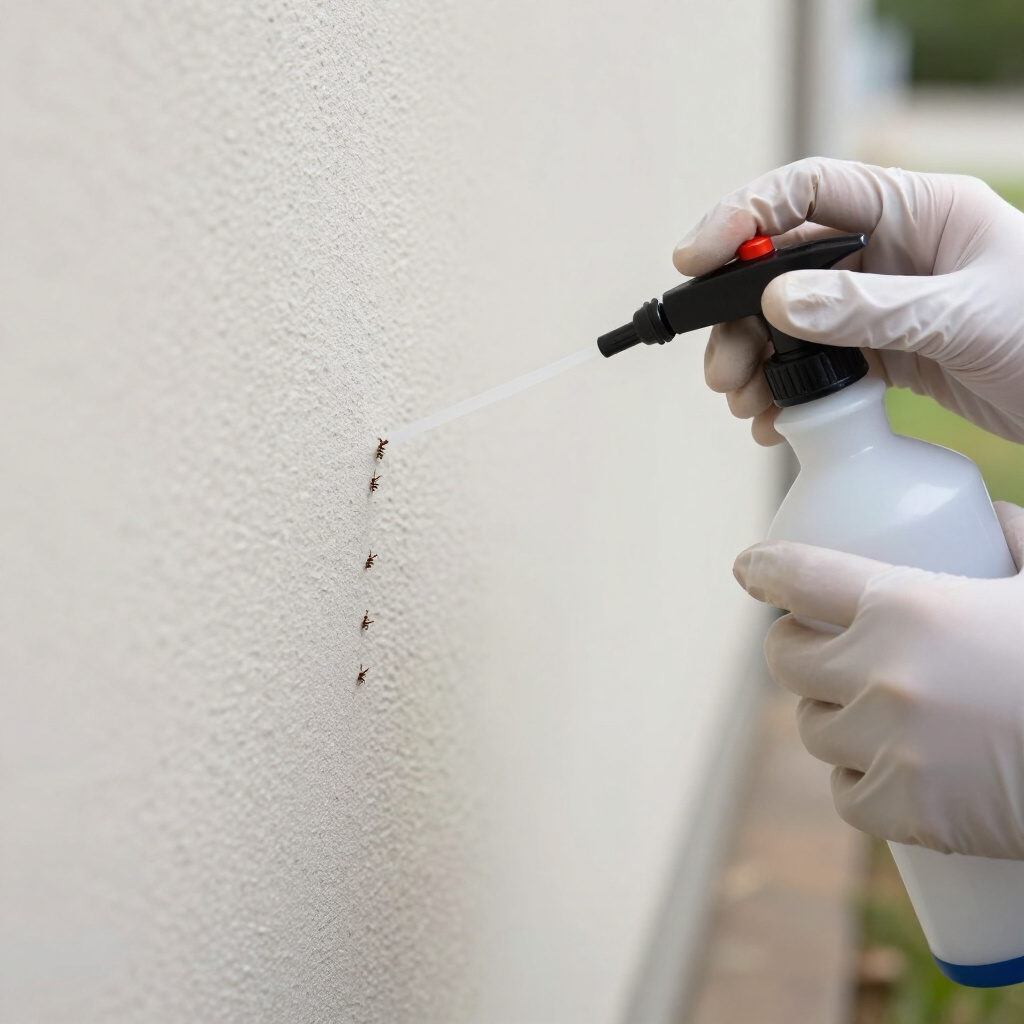


How to Choose a Pest Control Professional in Eatontown
Finding the right pest control professional in Eatontown means looking beyond just price. In Monmouth County, where coastal humidity meets suburban development, pest pressures differ significantly from inland New Jersey towns. You want a company that understands these local conditions.
Start with proper licensing. New Jersey requires pest control operators to hold commercial pesticide applicator licenses through the Department of Environmental Protection. Any reputable provider should readily share their license number. Insurance matters too—general liability and workers' compensation protect you if something goes wrong during treatment.
Experience with Monmouth County's specific pest patterns counts. Eatontown's proximity to the Shrewsbury River and local wetlands creates ideal breeding grounds for mosquitoes and moisture-seeking pests like carpenter ants and termites. Ask potential companies how they handle these regional challenges. Do they offer moisture control recommendations alongside chemical treatments? Can they identify conducive conditions unique to older homes near the river?
Read reviews from nearby customers specifically. A company with strong ratings in Eatontown, West Long Branch, or Tinton Falls likely understands local building types—from mid-century ranches to newer developments near the mall. Check how they respond to negative feedback; professionalism in public replies often reflects service quality.
Finally, compare service agreements carefully. Some companies push annual contracts while others offer per-treatment options. For seasonal issues like mosquitoes or stinging insects, flexible scheduling may serve you better than rigid quarterly visits.
What to Expect from Pest Control Services in Eatontown
Professional pest control follows a structured process that begins before any chemicals enter your home. Understanding this workflow helps you prepare and evaluate results.
Inspection and Identification — Your technician should start with a thorough property assessment. In Eatontown, this means checking crawl spaces, basements, attic access points, and exterior perimeters with particular attention to moisture intrusion. Proper identification matters: carpenter ants and termites require vastly different approaches, and misidentification wastes time and money. Expect this visit to take 30–60 minutes for a typical single-family home.
Treatment Planning — Based on findings, the company should explain your options clearly. This includes which pests they're targeting, what products they'll use, where application occurs, and any preparation steps you need to take. Ask about product safety if you have children, pets, or concern for pollinators in your garden.
Application and Follow-Up — Initial treatments often address active infestations, while follow-up visits focus on prevention. For termite protection in Eatontown's moisture-rich environment, this might mean installing monitoring stations around your foundation. For general pest control, perimeter barriers and interior crack-and-crevice applications create defensive lines.
Documentation matters. You should receive a service report detailing what was applied, where, and when the next visit is scheduled. This paperwork proves valuable if issues persist or you switch providers later.
Available Pest Control Services
Eatontown residents can access comprehensive pest management spanning common nuisances to serious structural threats. Service categories typically include:
- General Pest Control — Covers ants, spiders, crickets, silverfish, and occasional invaders. Usually scheduled quarterly with exterior-focused treatments and interior spot applications as needed.
- Termite Control — Critical in Monmouth County's humid climate. Options include liquid barrier treatments and baiting systems. Annual inspections protect your investment, especially for homes with wooden structural elements.
- Mosquito and Tick Reduction — Seasonal programs targeting breeding sites and resting areas. Particularly valuable near Eatontown's wetland margins and for families with outdoor living spaces.
- Rodent Management — Exclusion work, trapping, and population control for mice and rats. Entry point sealing prevents recurring problems better than trapping alone.
- Stinging Insect Removal — Professional nest removal for wasps, hornets, and yellow jackets. DIY attempts often provoke dangerous defensive attacks.
- Bed Bug Treatments — Heat remediation or targeted insecticide applications. Early professional intervention prevents spread to adjacent rooms or units.
- Moisture Control and Wildlife Exclusion — Foundational services that reduce pest-attracting conditions and seal access for larger animals like squirrels or raccoons.
Many Eatontown providers bundle services for better value. If you're dealing with multiple pest pressures—common in properties near wooded or wetland areas—ask about customized programs rather than purchasing separate treatments à la carte.
Frequently Asked Questions
How often should I schedule pest control in Eatontown?
Most homes in Eatontown benefit from quarterly general pest control due to the area's humidity and extended warm seasons. Properties near water or wooded areas may need bi-monthly service during peak pest activity from April through October. Termite monitoring typically occurs annually, while mosquito treatments are weekly or bi-weekly during summer months.
Are pest control treatments safe for my family and pets?
Licensed professionals in New Jersey use EPA-registered products applied according to label directions, which minimizes risk. Modern treatments target pest biology rather than broad toxicity. Your technician should provide specific re-entry times—typically 2–4 hours for liquid applications—and flag any special precautions for fish tanks, beekeeping, or organic gardens.
Why do I keep seeing ants even after treatment?
Ant colonies in Monmouth County often establish multiple nesting sites, and foraging trails can restart from neighboring properties. Initial treatments may take 1–2 weeks to fully disrupt colony activity. Persistent issues usually indicate a hidden moisture source, structural entry points, or an untreated satellite nest. A follow-up inspection should identify the gap in control.