
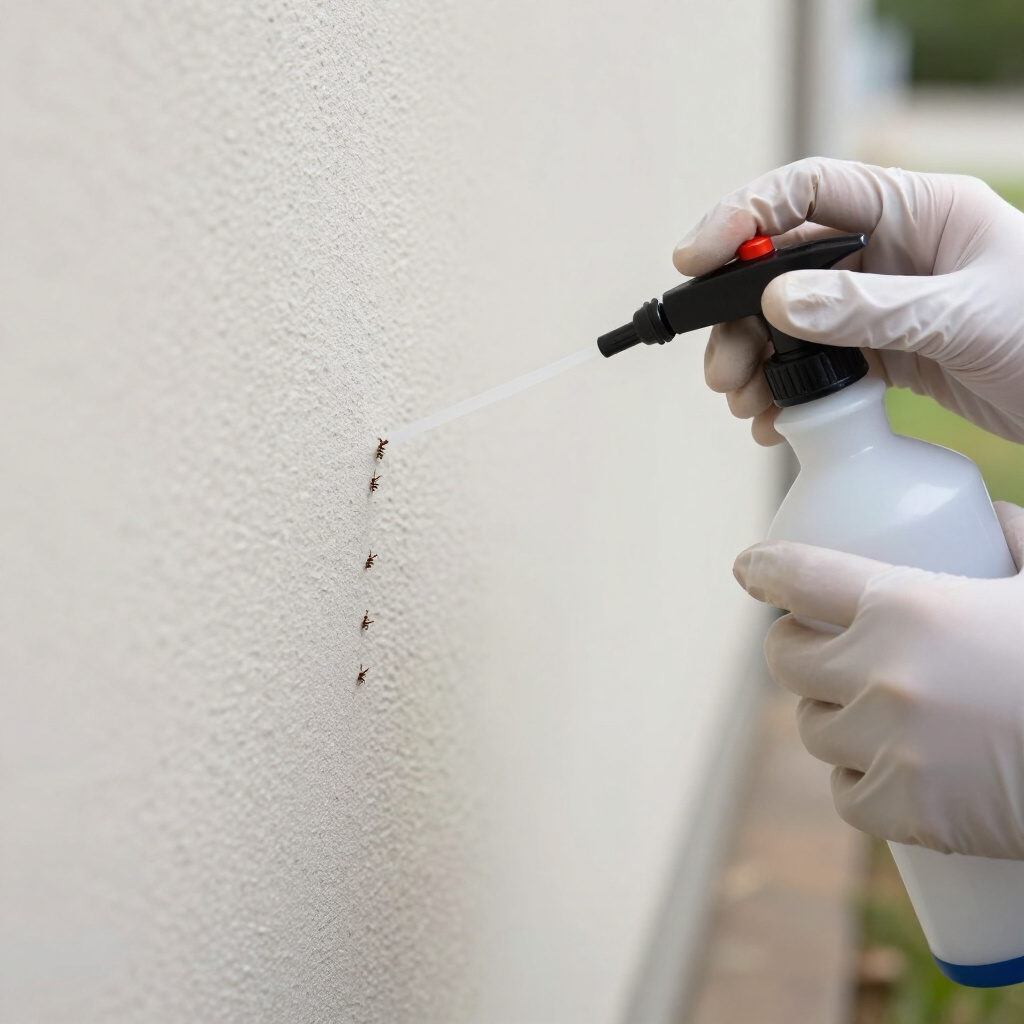


How to Choose a Pest Control Professional in Middlesex
Finding the right pest control provider in Middlesex means looking beyond generic promises and focusing on what actually matters for your Somerset County property. Start with licensing verification—New Jersey requires commercial applicator licenses through the Department of Environmental Protection, and any legitimate operator should provide this without hesitation.
Experience with local conditions carries significant weight here. Middlesex sits at a convergence of residential neighborhoods and green corridors along the Raritan River, creating specific pressure points for pest activity. Ask prospective companies how they've handled brown marmorated stink bug aggregations, which plague this corridor each fall, or moisture-dependent pests in older basements common throughout the borough.
Insurance coverage deserves scrutiny. General liability and workers' compensation protect you if technicians damage property or suffer injury during treatment. Request certificate documentation rather than verbal assurances. Additionally, inquire about integrated pest management approaches—providers emphasizing inspection, exclusion, and mechanical controls before chemical applications tend to deliver more sustainable results with less environmental impact.
Finally, examine service guarantees carefully. Reputable companies in Middlesex typically offer retreatment provisions if pests persist between scheduled visits, with clear timelines and no hidden fees.
What to Expect from Pest Control Services in Middlesex
Your first service begins with a comprehensive property assessment. Technicians examine interior spaces, crawl areas, attics, and the full exterior perimeter, documenting conducive conditions like wood-to-soil contact, moisture accumulation, or foundation gaps. This inspection typically requires 45-90 minutes depending on property size and complexity.
Following evaluation, you'll receive a tailored treatment plan with specific target pests, recommended methods, and scheduling. Initial treatments often address active infestations and establish protective barriers simultaneously. For Middlesex homes, this frequently means perimeter foundation applications, crack and crevice treatments indoors, and moisture zone management in basements prone to silverfish and centipede activity.
Ongoing maintenance follows structured intervals—monthly, bi-monthly, or quarterly depending on pest pressure and your preferences. Each visit includes exterior barrier renewal, monitoring station checks, and interior spot treatments as needed. Seasonal adjustments matter significantly here; spring services target ant swarms and termite activity, summer focuses on mosquitoes and wasps, fall addresses rodent exclusion before winter entry, and winter treats overwintering pests seeking harborage indoors.
Documentation accompanies every visit, noting findings, treatments applied, and recommendations for structural or sanitation improvements you can implement between professional services.
Available Pest Control Services
Residential pest management covers the full spectrum of common Middlesex invaders: ants, cockroaches, spiders, silverfish, crickets, and occasional invaders like earwigs and millipedes. Rodent control includes inspection, exclusion sealing, trapping programs, and ongoing monitoring for mice and rats.
Termite protection represents a critical service category given New Jersey's classification as a heavy termite pressure state. Options include liquid barrier treatments with non-repellent termiticides, baiting systems for colony elimination, or combination approaches. Warranties typically extend several years with annual renewal inspections.
Mosquito and tick reduction services have expanded considerably, utilizing habitat modification, larvicide applications to standing water, and adulticide treatments to vegetation borders. These programs prove especially valuable for properties backing to wooded areas or near the Raritan River greenway.
Wildlife management addresses squirrels, raccoons, skunks, and bats through humane removal and exclusion techniques compliant with New Jersey fish and wildlife regulations. Stinging insect nest removal—wasps, hornets, and yellowjackets—requires specialized equipment and timing considerations for safety.
Commercial services extend to restaurants, retail, offices, and multi-family housing throughout Middlesex, with documentation protocols satisfying health department and regulatory requirements.
Frequently Asked Questions
How quickly can pest control treatments start working?
Initial results vary by pest type. Ant trails often diminish within 24-48 hours as non-repellent products transfer through colonies. Cockroach reductions typically become noticeable within one week. Rodent control requires 7-14 days for complete population impact. Your technician will set realistic expectations based on the specific infestation.
Are treatments safe for children and pets?
Modern application methods minimize exposure risks significantly. Products are placed in inaccessible areas, using targeted crack-and-crevice techniques rather than broadcast spraying. You'll receive specific re-entry timing—typically 2-4 hours for liquid applications, less for baits and dusts in enclosed spaces. Notify your technician about household sensitivities, aquariums, or beekeeping activities for additional precautions.
What makes Middlesex particularly susceptible to certain pests?
The borough's mature tree canopy, river proximity, and mix of housing ages create ideal conditions. Older homes develop gaps and moisture issues attractive to carpenter ants and rodents. Dense vegetation supports tick populations. The Raritan River corridor acts as a wildlife highway, while suburban warmth islands attract overwintering pests seeking shelter in structures each autumn.