


Pest Control Services in Morristown, NJ
Morristown's blend of historic architecture, tree-lined neighborhoods, and proximity to the Whippany River creates conditions where pests thrive year-round. From colonial-era homes near the Morristown Green to newer developments along Mount Kemble Avenue, properties throughout Morris County face recurring invasions that demand localized treatment approaches.
Termites pose substantial risk to Morristown's historic housing stock. Subterranean species exploit moisture in older foundations and unfinished basements common in pre-1950s construction. Without regular inspections, damage progresses silently through wall voids and structural timbers. Modern termite monitoring systems paired with targeted liquid barriers protect both landmark properties and contemporary residences.
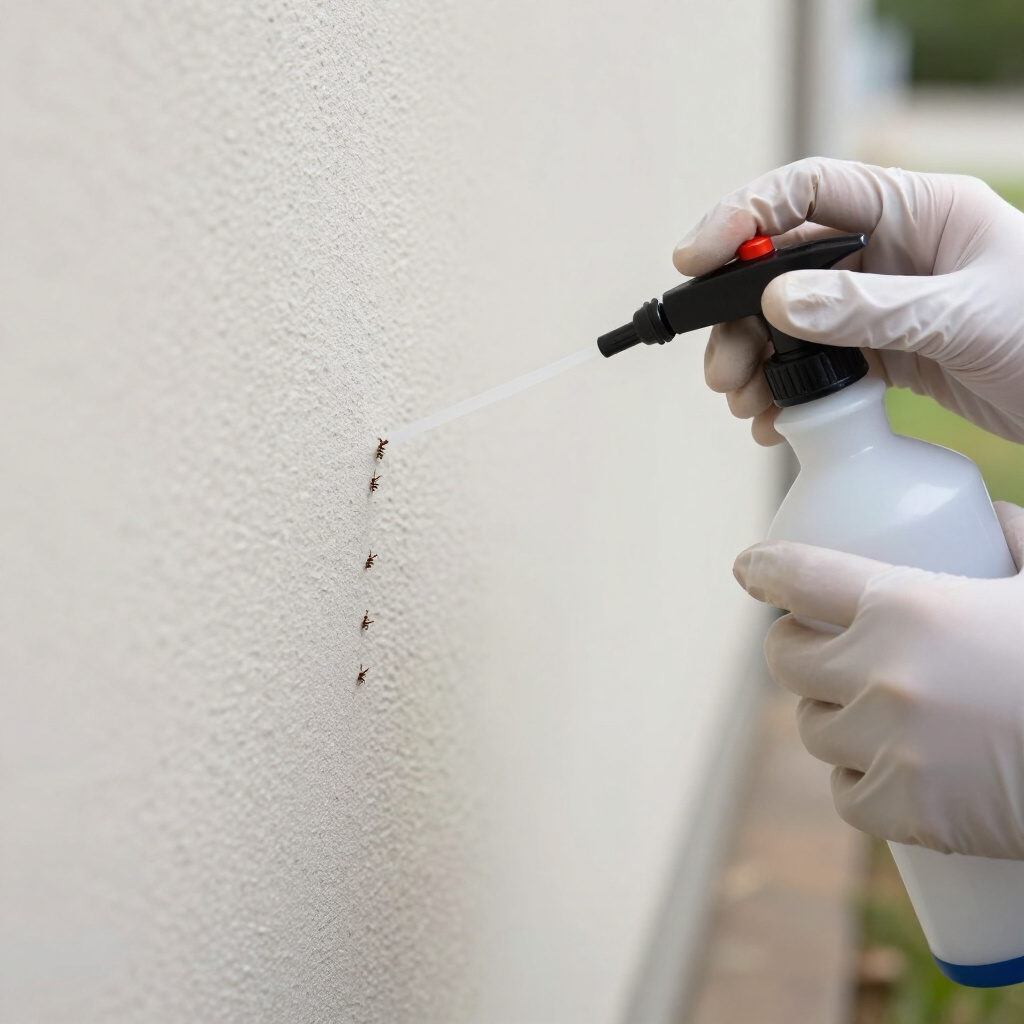
Ant activity escalates from spring through fall. Pavement ants colonize driveway cracks and foundation perimeters, while carpenter ants target moisture-damaged wood in soffits, window frames, and deck supports. Odorous house ants—drawn to kitchen moisture and pet food—establish trailing patterns that persist until nests are eliminated rather than merely repelled.
Tick and mosquito pressure intensifies near wooded parcels and the Patriot's Path corridor. These vectors carry Lyme disease, anaplasmosis, and West Nile virus—significant concerns for families with children and pets. Perimeter vegetation management, combined with season-long larvicide applications to breeding sites, reduces populations without blanket pesticide spraying.
Rodent issues spike as temperatures drop. Norway rats follow utility lines into crawl spaces, while house mice squeeze through gaps smaller than a dime. Morristown's dense downtown and mixed residential-commercial zones provide continuous harborage. Exclusion work sealing entry points proves more durable than baiting alone, particularly in multi-unit buildings and attached townhomes.
Occasional invaders—stink bugs, boxelder bugs, and Asian lady beetles—cluster on sun-facing walls during autumn, eventually penetrating window frames and attic vents. Preventive exterior treatments in September and October intercept these pests before indoor overwintering begins.
Frequently Asked Questions About Pest Control in Morristown
How often should Morristown homes receive pest control treatments?
Quarterly service schedules address the seasonal pest cycle effectively for most Morristown properties. Spring applications target emerging ants and termite swarmers; summer focuses on mosquitoes, ticks, and stinging insects; fall intercepts rodents and overwintering invaders; winter treatments address persistent indoor populations. Historic homes with compromised foundations or extensive landscaping may benefit from bi-monthly visits during peak activity periods.
Are pest control treatments safe for homes near the Whippany River watershed?
Yes. IPM-based programs prioritize non-chemical methods—physical exclusion, habitat modification, and biological controls—before applying products. When treatments are necessary, technicians select low-impact formulations with minimal environmental persistence. Buffer zones around water features, proper application timing, and targeted rather than broadcast methods protect the Whippany River ecosystem while controlling pests.
What makes pest control different in Morristown's historic district?
Structures dating to the 18th and 19th centuries present unique challenges: balloon framing creates continuous wall voids for rodent travel, original fieldstone foundations have irregular mortar joints, and preserved exterior details cannot accommodate obvious sealing materials. Treatment plans respect architectural integrity using concealed bait stations, injectable dusts, and color-matched exclusion products. Coordination with local historic preservation guidelines ensures compliance when treating designated landmark properties.