
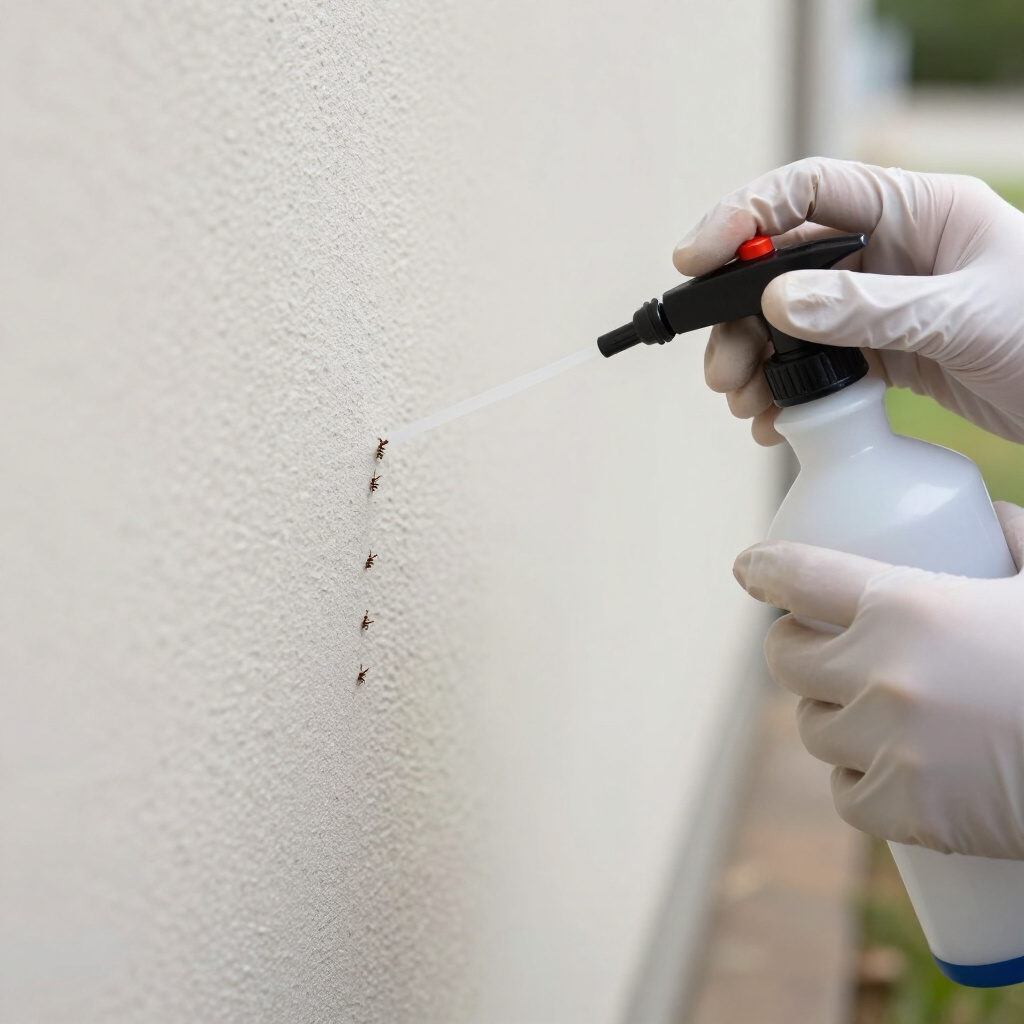


How to Choose a Pest Control Professional in New Milford
Finding the right pest control provider in New Milford means understanding what makes Bergen County service unique. The borough's mix of residential neighborhoods, proximity to the Hackensack River, and mature tree canopy create specific pest pressures that experienced local technicians recognize immediately.
Start by verifying New Jersey state licensing through the Department of Environmental Protection. Proper certification ensures technicians can legally apply restricted-use pesticides and understand integrated pest management protocols required in environmentally sensitive areas near the river.
Ask prospective companies about their experience with New Milford's particular challenges. Carpenter ants thrive in the damp conditions along the Hackensack River corridor. Stink bugs cluster in homes near wooded sections during autumn months. Mice follow utility lines from older commercial corridors into neighboring residences. A provider familiar with these patterns spends less time diagnosing and more time resolving infestations.
Request documentation of insurance coverage and worker's compensation. Reputable companies carry both general liability and pollution-specific policies. Inquire about technician tenure—low turnover typically indicates better training programs and more consistent service quality.
Finally, examine service agreements carefully. Avoid open-ended contracts without defined treatment schedules, guarantee terms, and clear cancellation provisions. The best New Milford providers explain their monitoring approach and how they adjust strategies seasonally.
What to Expect from Pest Control Services in New Milford
Professional pest management follows a structured methodology that prioritizes safety and long-term prevention over quick chemical fixes.
Initial Inspection: A thorough technician examines your property's exterior perimeter, foundation gaps, roofline vulnerabilities, moisture points, and interior hotspots. In New Milford homes, this often reveals carpenter ant galleries in deck posts, mouse entry through garage door seals, or yellow jacket nests in soffit gaps. Documentation includes photographs and a detailed findings report.
Treatment Planning: Rather than blanket spraying, modern providers develop targeted strategies. Perimeter barriers use microencapsulated formulations that remain effective through Bergen County's variable weather. Interior applications focus on crack-and-crevice precision treatments, bait placements, and mechanical trapping where appropriate.
Implementation: Expect exterior perimeter treatment during initial service, with interior work limited to problem areas. Technicians should explain re-entry intervals, pet precautions, and any ventilation requirements. Quality providers note conditions that attract pests—firewood stacked against foundations, clogged gutters, or overhanging branches—and recommend corrections.
Monitoring and Follow-Up: Recurring service programs typically include quarterly exterior maintenance visits with interior checks as needed. Between scheduled appointments, responsive companies address breakthrough activity without additional charges under their guarantee terms.
Available Pest Control Services
New Milford residents can access comprehensive pest management spanning common household invaders, seasonal nuisances, and specialty wildlife concerns.
General Pest Control: Ongoing protection against ants, spiders, crickets, silverfish, and occasional invaders. Quarterly exterior programs form the foundation of residential service, with interior reinforcement during peak activity periods.
Termite Control: Liquid barrier treatments and monitoring systems protect Bergen County's older housing stock. Pre-purchase inspections satisfy mortgage requirements and identify concealed damage before transactions close.
Rodent Management: Mouse and rat programs combine exterior bait station networks with interior trapping and exclusion work. Given New Milford's density and infrastructure age, rodent pressure requires persistent monitoring.
Mosquito and Tick Reduction: Seasonal yard treatments target breeding habitat and resting areas, particularly valuable for properties backing onto wooded corridors or wetland margins.
Stinging Insect Removal: Safe extraction of hornet, wasp, and yellow jacket nests from eaves, trees, and ground voids.
Bed Bug Elimination: Heat remediation and targeted chemical protocols address these increasingly mobile pests.
Wildlife Exclusion: Humane removal and sealing for squirrels, raccoons, and skunks, with repair of entry damage.
Frequently Asked Questions
How quickly can pest control respond to an active infestation in New Milford?
Most established providers offer next-business-day service for active infestations, with same-day availability for urgent situations involving stinging insects or severe rodent activity. Emergency response typically carries premium pricing, while standard scheduling fits most ant, spider, and general pest concerns within 24-48 hours.
Are pest control treatments safe for families with children and pets?
Modern application techniques minimize risk significantly. Microencapsulated products adhere to treated surfaces rather than remaining airborne. Technicians apply baits in inaccessible locations and use mechanical traps in preference to broadcast spraying when appropriate. Re-entry recommendations vary by product—typically two to four hours for liquid applications. Reputable providers discuss specific household concerns before treatment and adjust protocols for homes with infants, pregnant residents, or sensitive pets.
Why do pests keep returning after DIY treatment?
Over-the-counter products often kill visible pests while missing colonies, nests, or entry points. Carpenter ants establish satellite colonies throughout wall voids. Mice squeeze through openings smaller than a dime. German cockroaches develop resistance to common retail insecticides. Professional service identifies and interrupts these hidden reproductive reservoirs while implementing exclusion measures that prevent reinfestation. The recurring cost of ineffective DIY attempts frequently exceeds professional intervention.