

How to Choose a Pest Control Professional in Paterson
Finding the right pest control provider in Paterson means looking beyond flashy ads and focusing on what actually matters for your property. In Passaic County's most populous city, pest pressures differ significantly between the historic districts near the Great Falls, the dense multi-family housing in the 1st Ward, and the commercial corridors along Main Street.
Start with proper licensing. New Jersey requires pest control operators to hold a Commercial Pesticide Applicator License through the Department of Environmental Protection. Any legitimate company serving Paterson should readily provide their license number. Insurance matters too—general liability and workers' compensation protect you if something goes wrong during treatment.
Experience with urban pest management deserves special attention. Paterson's older housing stock, combined with its proximity to the Passaic River, creates unique challenges. Rodents exploit sewer connections and aging foundations, while moisture-loving pests like carpenter ants and cockroaches thrive in basements and crawl spaces. Ask prospective companies specifically how they've handled similar properties in Passaic County—not just suburban homes in Bergen or Morris counties.
Finally, understand their approach to integrated pest management (IPM). The best professionals in Paterson emphasize inspection, exclusion, and targeted treatments over blanket pesticide applications. This matters for families with children, pets, or residents with respiratory sensitivities, all common in Paterson's diverse neighborhoods.
What to Expect from Pest Control Services in Paterson
A thorough pest control experience follows a predictable structure, though timing and specifics adjust to your situation. Understanding this process helps you prepare and evaluate whether a company delivers professional service.
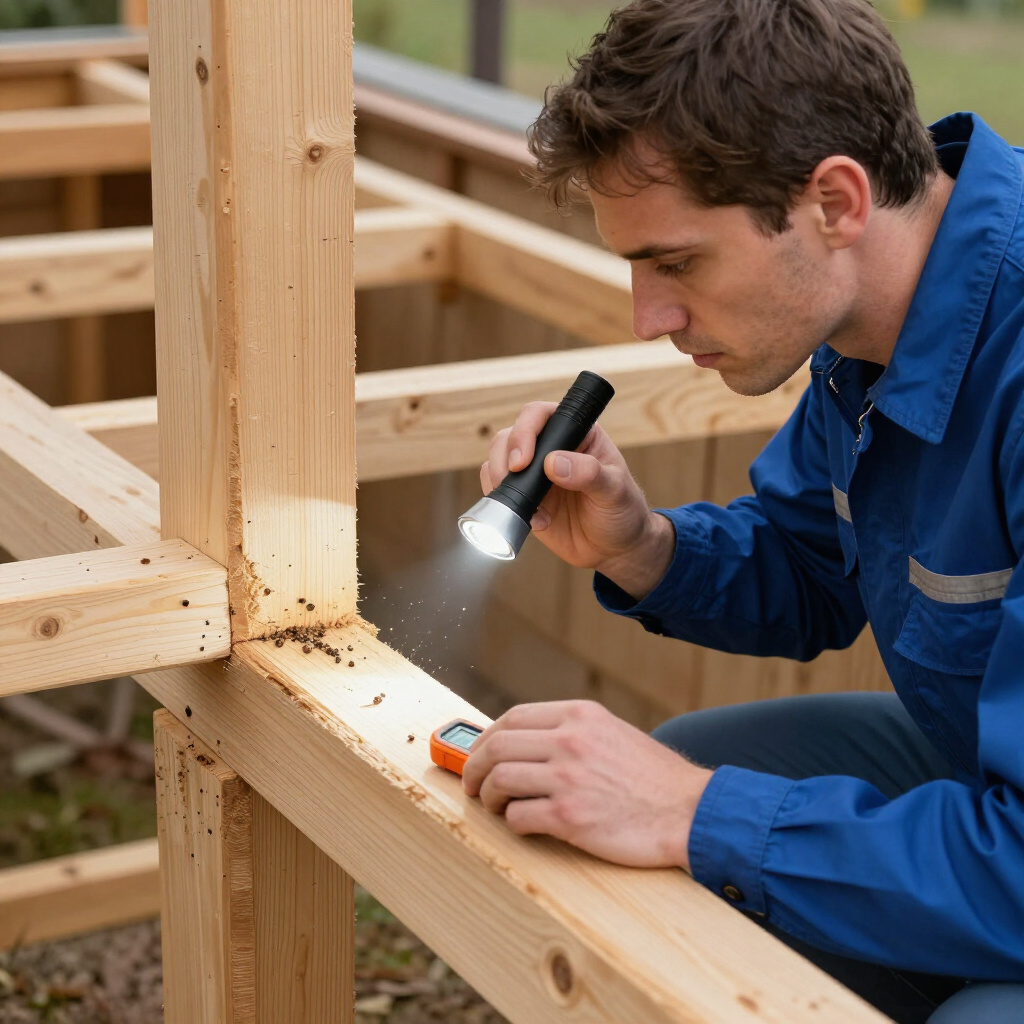
Initial inspection: Expect 30-60 minutes of detailed examination. Technicians should inspect entry points, moisture conditions, food sources, and harborage areas. In Paterson's row houses and apartment buildings, they'll likely examine shared walls, utility chases, and basement areas—common pathways for pests to travel between units.
Treatment plan presentation: Reputable companies explain what they found, why pests are present, and how they propose addressing the problem. They should specify products (by general type, not necessarily brand names), application methods, and safety precautions. For multi-unit buildings, they should address coordination with neighbors or building management.
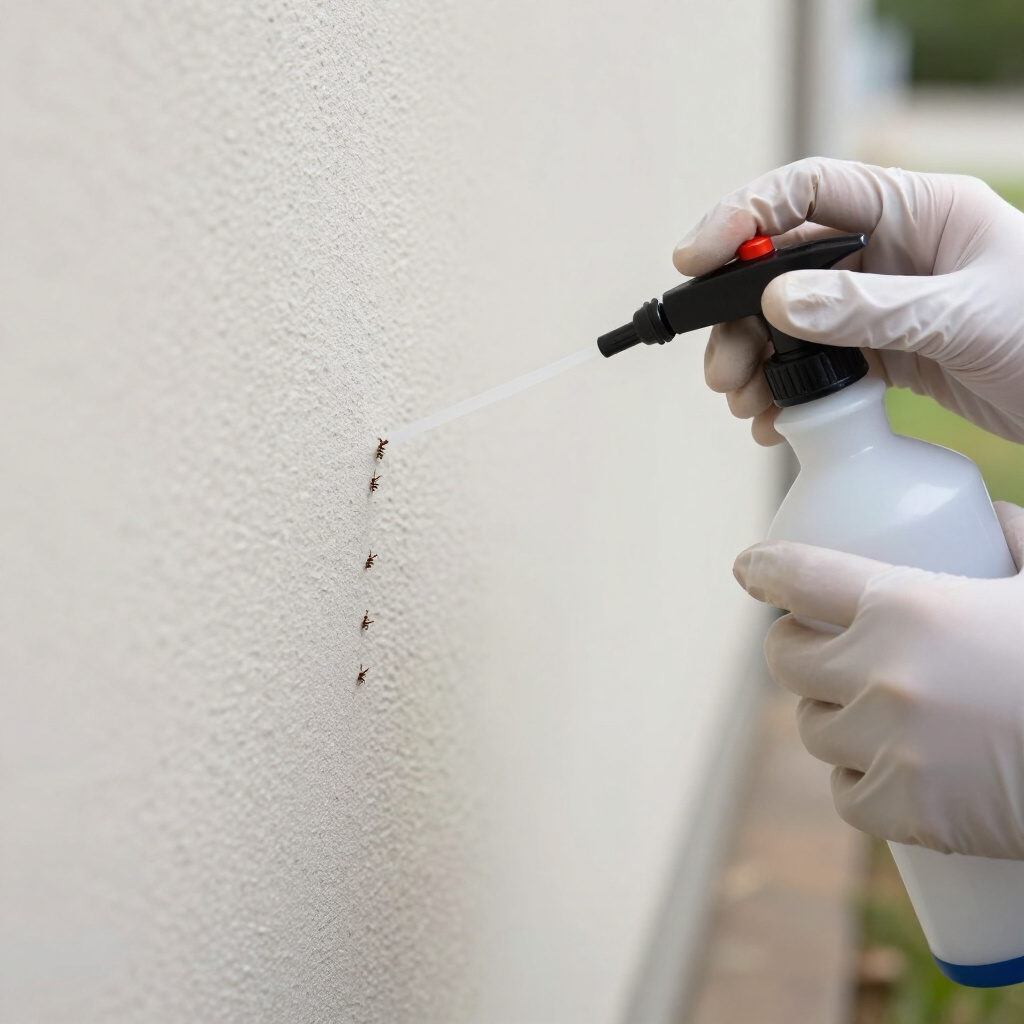
Service execution: Depending on the pest, this might involve crack-and-crevice treatments, bait stations, exclusion work, or traps. Most residential treatments in Paterson take 45 minutes to 2 hours. Commercial properties, particularly restaurants along Market Street or factories in the industrial areas, require more extensive scheduling coordination.
Follow-up and monitoring: Single treatments rarely solve persistent infestations. Ask about the follow-up schedule—typically 2-4 weeks for initial problems, with quarterly maintenance for ongoing prevention in high-risk properties.
Available Pest Control Services in Paterson
Paterson residents and business owners can access a full spectrum of professional pest management services tailored to local conditions.
Residential pest control covers the most common invaders: ants, cockroaches, mice, rats, and seasonal pests like wasps and stink bugs. Given Paterson's housing density, many providers offer specialized programs for multi-family dwellings, addressing the complexity of shared-wall infestations and coordinating with landlords or condo associations.
Commercial services serve Paterson's diverse business community. Food service establishments face stringent health department requirements and zero-tolerance for pest activity. Manufacturing and warehouse facilities near the industrial zones need commodity protection and rodent exclusion programs. Office buildings throughout downtown require discreet, after-hours service that doesn't disrupt operations.
Termite control deserves particular mention for Paterson's older homes. Eastern subterranean termites are active throughout Passaic County, and the city's historic wooden structures—some dating to the 19th century—require vigilant monitoring. Modern treatments include liquid barrier applications and baiting systems, with annual inspections strongly recommended.
Wildlife and humane removal addresses squirrels, raccoons, bats, and birds that frequently access attics and soffits in Paterson's older buildings. New Jersey law protects many species during breeding seasons, so timing and proper exclusion techniques are essential.
Emergency and same-day service remains available for acute situations—severe wasp nests, bed bug confirmations before travel, or sudden rodent sightings that render spaces unusable.
Frequently Asked Questions
How much does pest control cost in Paterson?
General pest control for a typical Paterson home ranges from $150-$350 for initial service, with quarterly maintenance plans between $80-$150 per visit. Severe infestations, bed bugs, or termite treatment cost significantly more. Multi-unit buildings often receive volume pricing. Always request detailed written estimates before committing.
Are pest control treatments safe for children and pets?
Licensed professionals use EPA-registered products applied according to label directions, minimizing risk to occupants. Modern treatments target pest biology while reducing mammalian toxicity. Your technician should provide specific re-entry times and precautions—typically 2-4 hours for liquid applications, with bait placements in inaccessible locations.
Why do pests keep returning to my Paterson home?
Recurring problems usually indicate unresolved entry points, ongoing moisture issues, or pests migrating from neighboring units—common in Paterson's connected housing. Effective long-term control requires exclusion (sealing gaps, repairing screens), environmental modification (dehumidification, sanitation), and sometimes coordination with adjacent property owners. One-time treatments without these elements typically fail.