
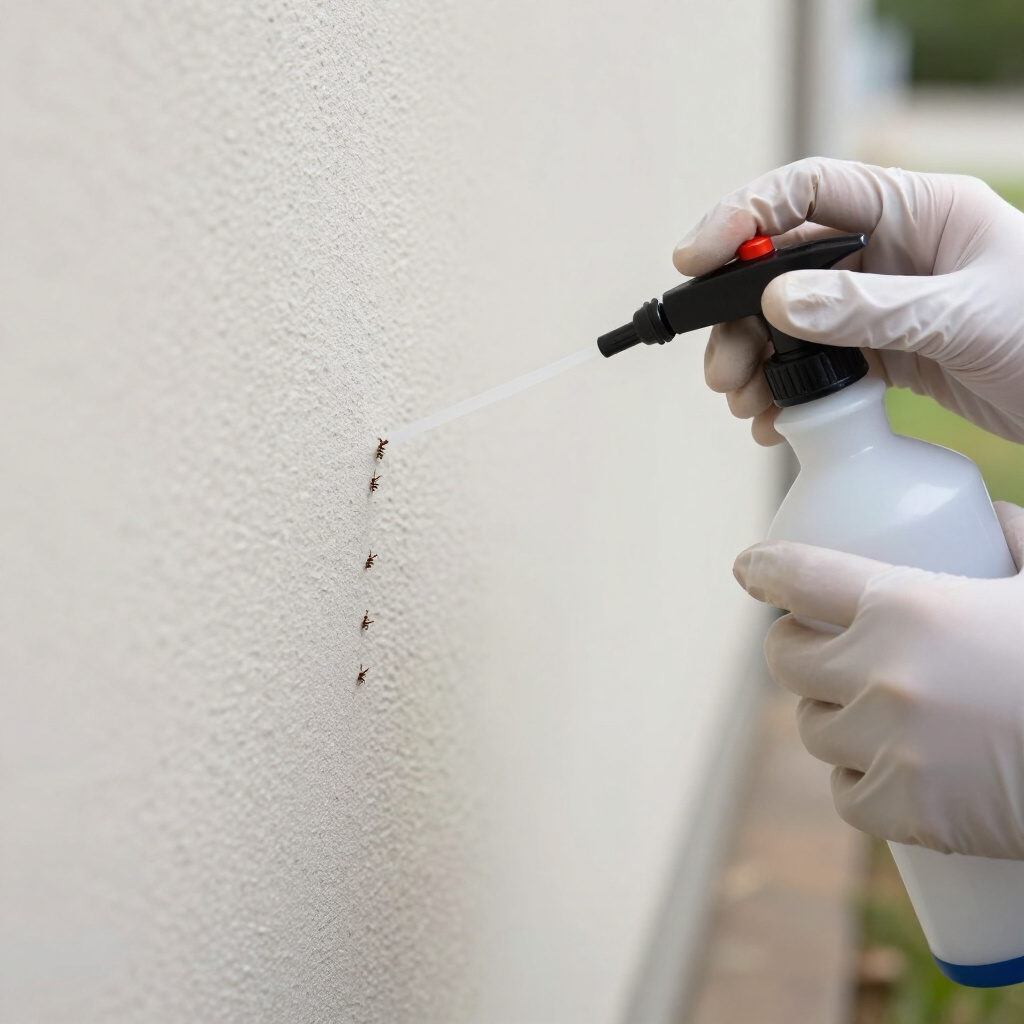


Pest Control Services in Upper Saddle River, NJ
Upper Saddle River sits in the heart of Bergen County, where wooded lots, mature landscapes, and proximity to the Saddle River create ideal conditions for pests to thrive. Homes here range from historic properties near the borough center to newer construction along tree-lined streets, each presenting unique pest management challenges that require localized expertise.
The dense tree canopy and abundant wildlife corridors in this area mean residents frequently encounter carpenter ants tunneling through moisture-damaged wood, mosquitoes breeding in low-lying areas near the river, and rodents seeking shelter as temperatures drop. Our technicians understand how Upper Saddle River's topography—with its rolling hills, stone walls, and mature root systems—directly influences where pests establish harborage and how they access structures.
We provide comprehensive pest control solutions tailored to Bergen County's northern climate patterns, including seasonal treatments that address the surge of stinging insects in late summer, tick prevention programs for properties bordering wooded areas, and integrated approaches that protect both your home and the surrounding ecosystem. Whether you're dealing with an active infestation near the Lake Street corridor or seeking preventive maintenance for a property closer to the New York border, our service plans account for the specific pressures that affect Upper Saddle River households.
Frequently Asked Questions About Pest Control in Upper Saddle River
What pests are most common in Upper Saddle River homes?
Carpenter ants rank among the most destructive pests here due to the area's mature trees and frequent moisture issues in wooden structures. Mice and rats become problematic in fall and winter, particularly in homes near wooded boundaries or with stone wall foundations. Ticks pose significant concerns for families with children and pets, given the prevalence of Lyme disease in Bergen County. During warmer months, mosquitoes, wasps, and yellow jackets thrive near the Saddle River and in properties with standing water collection points.
How does the wooded environment affect pest pressure?
The extensive tree canopy and preserved green spaces that make Upper Saddle River desirable also support robust pest populations. Leaf litter and decaying wood provide perfect habitat for carpenter ants and termites. Dense vegetation creates highways for rodents to travel between properties undetected. Wooded edges serve as tick habitat, with blacklegged deer ticks commonly found on brush and tall grasses. These environmental factors mean preventive pest management requires consistent attention rather than reactive, one-time treatments.
Are your treatments safe for homes near the Saddle River?
Absolutely. We employ targeted application methods that minimize environmental impact, using precision equipment to treat only where pests harbor rather than broadcasting chemicals broadly. For properties near waterways, we select products with favorable aquatic toxicity profiles and implement buffer zones where appropriate. Our technicians are trained in IPM (Integrated Pest Management) principles, emphasizing exclusion, habitat modification, and biological controls before chemical intervention.
How quickly can you respond to an active infestation?
We typically schedule initial inspections within 24-48 hours for Upper Saddle River residents. Emergency situations involving stinging insect nests near entryways, severe ant infestations, or rodent activity in living spaces receive same-day prioritization. Our Bergen County-based team maintains familiarity with local road networks and property layouts, enabling efficient routing throughout the borough.
What should homeowners do between scheduled treatments?
Store firewood at least 20 feet from your foundation and elevate it off the ground. Maintain gutter systems to prevent moisture accumulation near soffits and fascia. Trim tree branches to maintain six-foot clearance from rooflines, eliminating rodent and ant bridges. Keep garbage in sealed containers and address any structural gaps larger than a quarter-inch. Our technicians provide customized recommendations after each visit based on observations specific to your property's conditions.