


Pest Control Services in Wharton, NJ
Wharton sits along the Rockaway River in Morris County, where the mix of riverfront properties, wooded hills, and older neighborhoods creates distinct pest pressure throughout the year. Homes near Hugh Force Canal and the downtown corridor face different challenges than hillside residences closer to Mine Hill or Randolph, making localized pest control essential for effective, lasting results.
Our technicians understand how Wharton's geography shapes infestations. The river corridor attracts moisture-dependent pests like carpenter ants, silverfish, and centipedes, while the borough's mature tree canopy provides ample harborage for squirrels, raccoons, and overwintering stink bugs. Seasonal flooding along low-lying streets can also drive rodents and ground-nesting insects toward drier foundations.
Residential Pest Solutions
We provide comprehensive home protection plans designed for Wharton's housing stock, from early-1900s colonials near Main Street to mid-century ramblers and newer townhome developments. Services include perimeter barrier treatments, interior crack-and-crevice applications, and targeted solutions for:
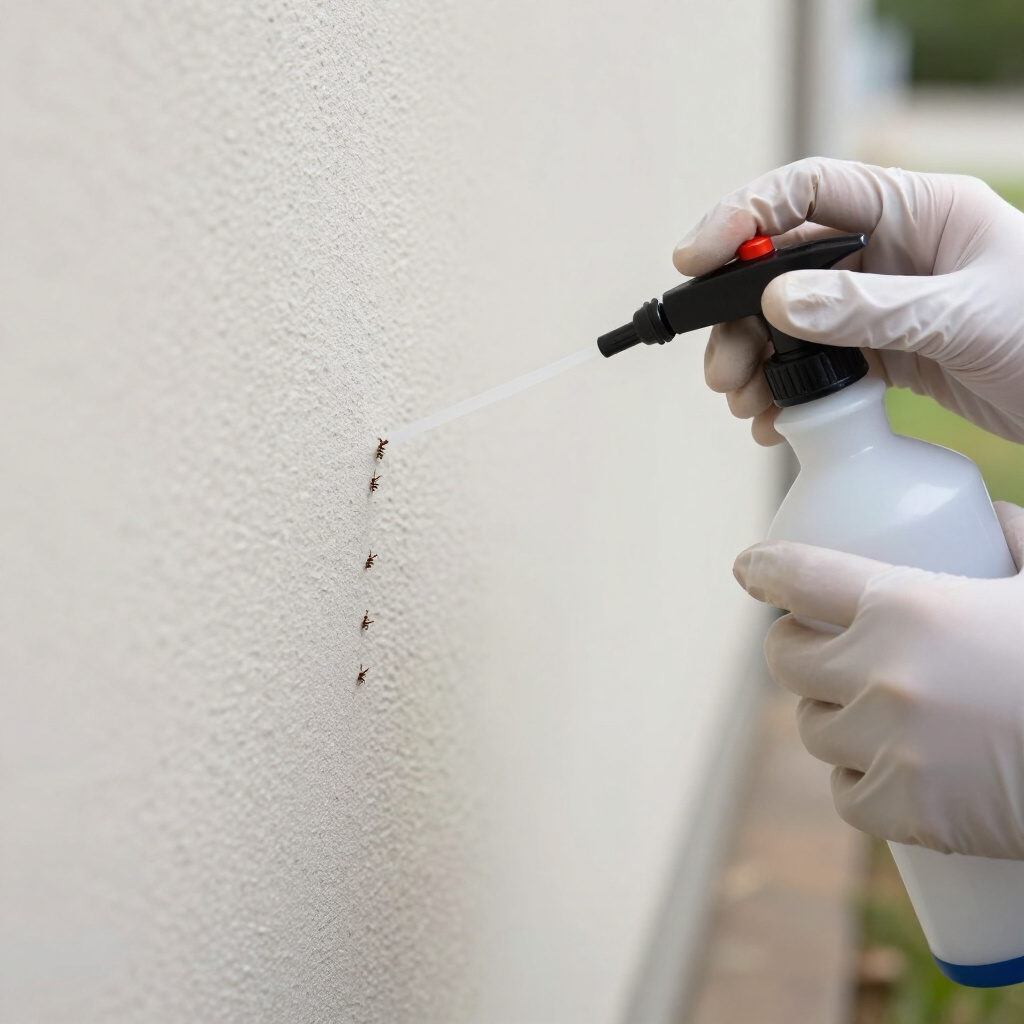
- Ants: Pavement ants, odorous house ants, and carpenter ants are prevalent from spring through fall, with carpenter ants particularly active in moisture-damaged wood near the river.
- Termites: Eastern subterranean termites threaten Wharton's older homes; we offer liquid treatments and baiting systems with annual monitoring.
- Rodents: Norway rats and house mice exploit gaps in foundations, especially in homes near drainage areas or with unfinished basements.
- Stinging insects: Bald-faced hornets, yellowjackets, and paper wasps nest in eaves, sheds, and hillside retaining walls.
- Occasional invaders: Box elder bugs, cluster flies, and Asian lady beetles seek winter shelter in south-facing walls and attic spaces.
Commercial Pest Management
Wharton's business corridor along Route 15 and North Main Street includes restaurants, warehouses, retail spaces, and light industrial facilities. We deliver discreet, compliant pest management with detailed documentation for health inspections, including Integrated Pest Management (IPM) programs that minimize chemical applications while meeting stringent food safety standards.
Seasonal Protection Calendar
Spring brings ant swarms and termite activity. Summer peaks for mosquitoes, wasps, and outdoor biting flies. Fall triggers rodent entry and overwintering pest migration. Winter requires ongoing monitoring and interior rodent control. Our year-round plans adapt treatment protocols to these predictable patterns.
Common Pest Questions for Wharton Homeowners
Are carpenter ants common in Wharton because of the Rockaway River?
Yes. Carpenter ants thrive in moist environments, and Wharton's riverfront location plus aging tree canopy create ideal conditions. They don't eat wood like termites but excavate galleries in water-damaged structural timbers. Homes with poor drainage, clogged gutters, or wood-to-soil contact near the river corridor see higher activity. We identify nest locations and moisture sources during inspection, then treat with targeted applications and recommend structural corrections.
Why do I get more mice in my Wharton home during fall and winter?
As temperatures drop, field mice and Norway rats seek warmth and food sources. Wharton's mix of wooded areas, stone walls, and older construction provides abundant entry points—gaps as small as a dime for mice, quarter-inch for young rats. Foundation cracks, utility penetrations, and garage door seals are common access routes. Our fall prevention service seals vulnerable entry points and establishes exterior baiting before migration begins.
Do I need termite protection if my Wharton home was already treated?
Liquid termite treatments typically carry 5- to 10-year warranties depending on the product and application. If your home's treatment is aging or documentation is unclear, we recommend a professional evaluation. Wharton's older housing stock and soil conditions favor subterranean termite pressure. Baiting systems require ongoing monitoring regardless of age. We can assess existing protection and recommend continuation or renewal based on your specific situation.
What should Wharton businesses know about health inspection pest requirements?
Morris County health inspectors expect documented pest management programs for food service and processing facilities. This includes routine service records, pest sighting logs, corrective action documentation, and proof of licensed applicator status. Our commercial programs provide all required paperwork, same-day emergency response, and proactive recommendations to address conditions that attract pests before they trigger violations.