


How to Choose a Pest Control Professional in Keyport
Finding the right pest control provider in Keyport means looking beyond flashy advertising to what actually matters for your home and neighborhood. Monmouth County's coastal climate creates unique pest pressures that inland exterminators may not fully understand.
Start with licensing verification. New Jersey requires commercial pesticide applicators to hold Department of Environmental Protection certification. Any legitimate operator should readily provide their license number. Equally important is whether they carry liability insurance and workers' compensation—protections that matter if damage occurs during treatment.
Experience with Keyport's specific environment counts significantly. The Raritan Bay waterfront, older housing stock near the harbor, and mix of residential and light commercial zones each present distinct challenges. Ask prospective companies how frequently they service the 07735 ZIP code and whether they've treated properties with similar construction to yours.
Request detailed treatment plans in writing. Reputable professionals explain which products they use, where they'll apply them, and what preparation you need to complete. Be wary of vague quotes or pressure to sign immediate contracts without inspection.
What to Expect from Pest Control Services in Keyport
Professional pest management follows a structured approach rather than quick spraying. Understanding this process helps set realistic expectations and ensures you receive thorough service.
The initial visit typically begins with comprehensive inspection. Technicians examine entry points, moisture conditions, harborage areas, and evidence of current or past activity. In Keyport's older homes, this often reveals gaps in stone foundations, deteriorated window frames, or inadequate ventilation in crawl spaces that contribute to pest problems.
Based on findings, the technician develops an integrated pest management plan. This combines immediate control measures with long-term prevention strategies. Treatment methods vary by pest species—rodent issues require exclusion work and trapping, while ant or termite infestations may need targeted baiting systems or soil treatments.
Follow-up scheduling depends on pest type and severity. Seasonal maintenance programs work well for ongoing prevention, particularly given New Jersey's marked seasonal changes that drive different pest behaviors throughout the year.
Available Pest Control Services
Keyport residents can access comprehensive pest management addressing the full spectrum of local pest pressures. Common service categories include:
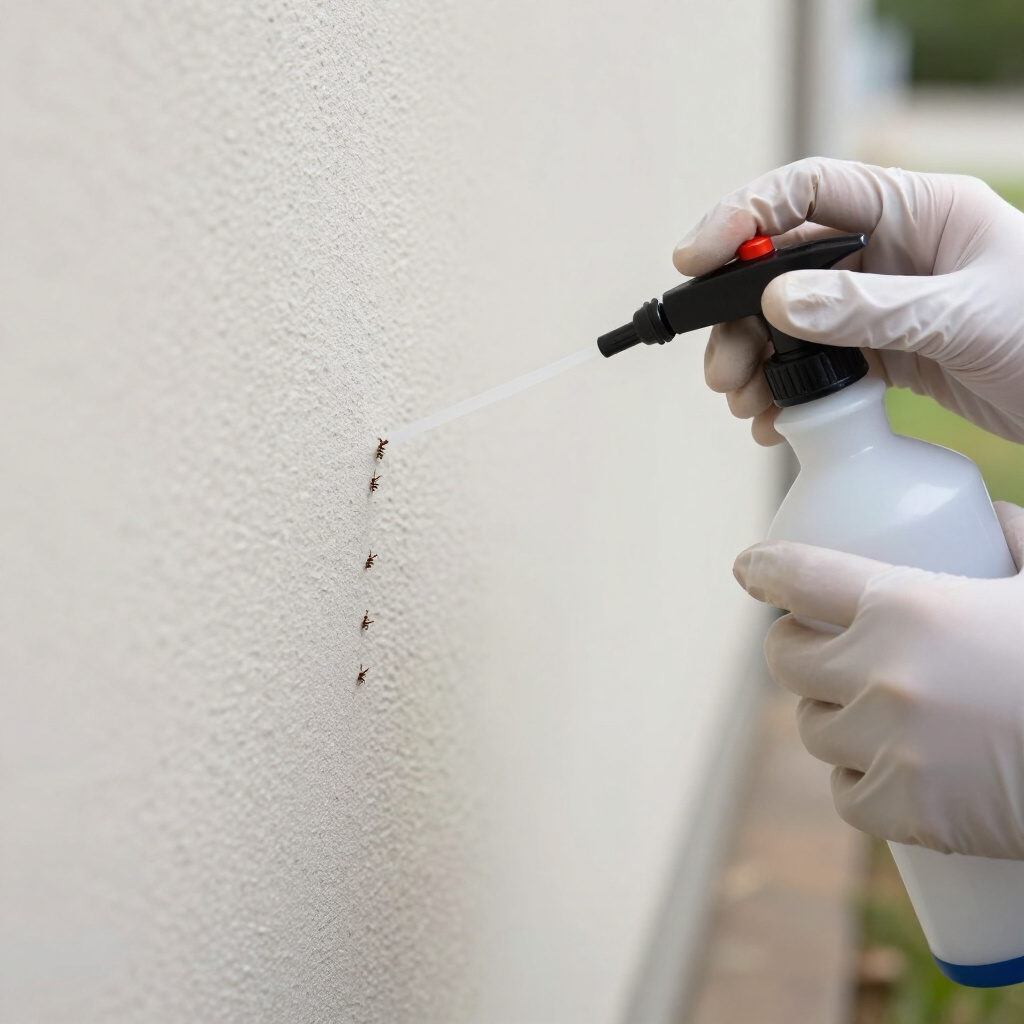
- General pest control — Ants, spiders, crickets, and occasional invaders
- Rodent management — Mice and rat exclusion, trapping, and population reduction
- Termite control — Liquid barrier treatments and baiting systems
- Mosquito reduction — Seasonal yard treatments for outdoor living spaces
- Bed bug elimination — Heat treatment and conventional chemical options
- Wildlife removal — Humane extraction of squirrels, raccoons, and birds
Many providers offer specialized programs for waterfront properties dealing with elevated humidity and salt air that accelerate structural deterioration and attract moisture-dependent pests. Commercial services are also available for Keyport's restaurants, marinas, and retail establishments facing regulatory compliance requirements.
Frequently Asked Questions
How often should Keyport homes receive pest control treatments?
Quarterly maintenance provides effective prevention for most properties. Homes near the water or with previous infestations may benefit from bi-monthly service during peak seasons.
Are pest control treatments safe for pets and children?
Modern products used by licensed professionals carry low toxicity profiles when applied correctly. Technicians provide specific re-entry timelines and preparation instructions to minimize any risk.
What pests are most common in Keyport specifically?
Coastal moisture draws carpenter ants, pavement ants, and silverfish. Older structures frequently harbor mice. Summer brings mosquitoes from nearby marshlands, while stink bugs and lady beetles seek winter shelter indoors.