


Pest Control Services in Matawan, NJ
Matawan sits along the border of Middlesex and Monmouth counties, where the Cheesequake Creek watershed and nearby Raritan Bay create conditions that attract a wide variety of pests. From historic homes near Main Street to newer developments off Route 34 and the Garden State Parkway corridor, residents face ongoing challenges with ants, termites, rodents, mosquitoes, and occasional wildlife intrusions.
The borough's mix of suburban neighborhoods, wooded areas, and proximity to water means pest pressures shift throughout the year. Spring brings carpenter ants and termite swarms. Summer escalates mosquito and tick activity near creek beds and wetlands. Fall drives mice and rats indoors as temperatures drop. Winter can surprise homeowners with persistent indoor pest issues that started months earlier.
Effective pest management in Matawan requires understanding these local patterns. Treatments that work for inland Middlesex County communities may fall short here, where coastal humidity and tidal influences extend pest seasons and create unique harborage conditions.
Common Pest Challenges in Matawan
Homeowners throughout Matawan's 07747 ZIP code regularly encounter several persistent pest categories:
Wood-Destroying Insects: Eastern subterranean termites thrive in Matawan's moist soil conditions, particularly in older neighborhoods with mature landscaping and buried wood debris. Carpenter ants follow, excavating galleries in water-damaged trim, decks, and structural lumber. Both pests often remain hidden until significant damage occurs, making professional inspection critical for early detection.
Stinging Insects: Paper wasps, yellow jackets, and bald-faced hornets build nests in eaves, soffits, sheds, and ground cavities. Properties near wooded edges or with abundant flowering vegetation see heightened activity from June through September. Nests near entryways, play areas, or high-traffic paths create genuine safety concerns, especially for residents with sting allergies.
Occasional Invaders: Boxelder bugs, stink bugs, and Asian lady beetles cluster on south-facing walls during autumn, eventually finding gaps to overwinter indoors. While not structurally damaging, their presence creates nuisance issues that peak during warm winter days and early spring.
Treatment Approaches for Matawan Properties
Integrated Pest Management (IPM) strategies tailored to Matawan's environment provide the most sustainable results. This begins with thorough inspection to identify pest species, entry points, moisture conditions, and conducive environments around the foundation and landscape.
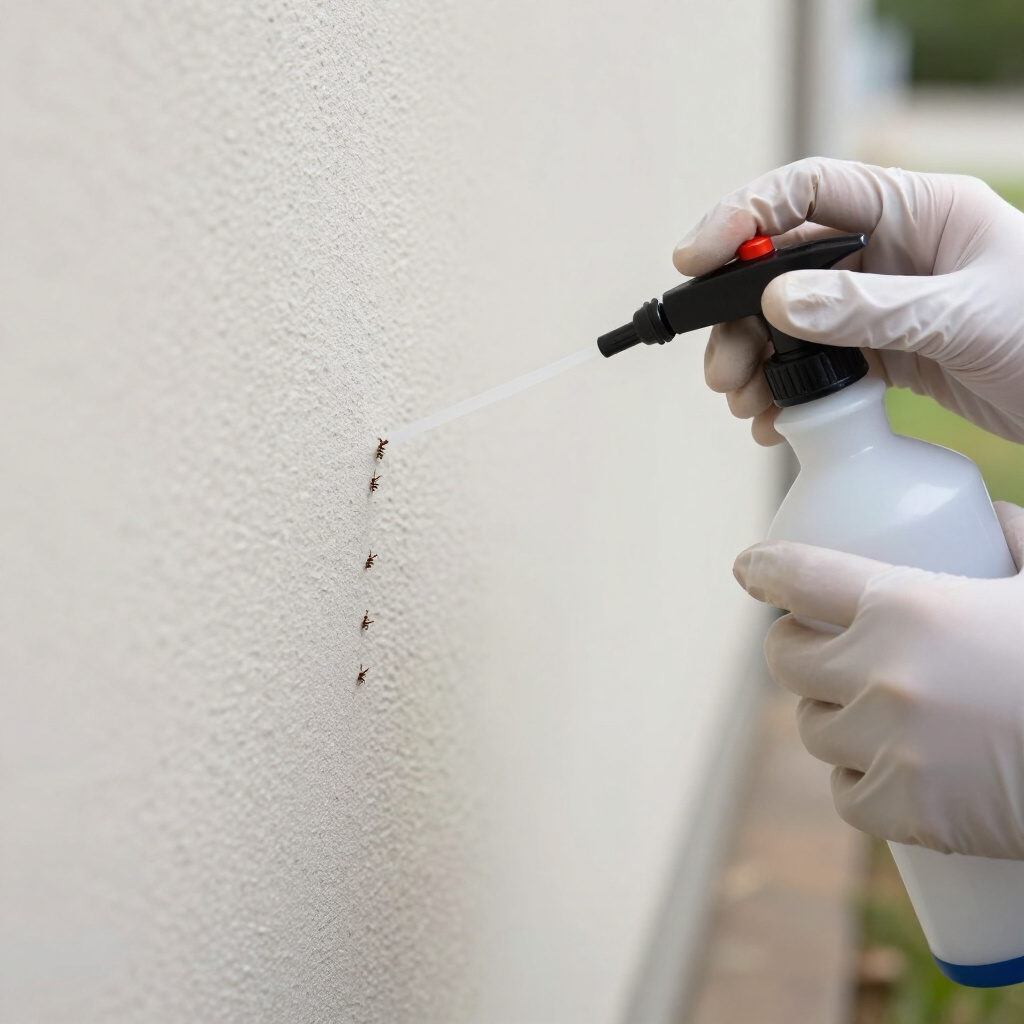
Exterior perimeter treatments create protective barriers that intercept crawling insects before they reach living spaces. For termite protection, liquid soil treatments or baiting systems address colonies at their source. Rodent management combines exterior bait stations, interior trapping, and exclusion work to seal gaps larger than one-quarter inch.
Mosquito reduction targets breeding sites in standing water, combined with adulticide applications to vegetation where mosquitoes rest during daylight hours. Tick control follows similar principles, focusing on wooded edges, brush piles, and tall grass where blacklegged deer ticks quest for hosts.
Frequently Asked Questions About Pest Control in Matawan
Why do I see more ants in my Matawan home during spring rains?
Spring rainfall saturates soil around foundations, flooding ant colonies and driving them to seek drier conditions. In Matawan, where clay-heavy soils drain slowly and many homes sit on slabs or have minimal clearance, pavement ants and odorous house ants readily exploit foundation cracks, utility penetrations, and expansion joints. The combination of moisture stress and warming temperatures triggers reproductive swarming and foraging expansion simultaneously, making March through May particularly active for ant invasions.
How concerned should I be about termites in Matawan compared to other Middlesex County towns?
Matawan's location within the Raritan Bay coastal plain presents elevated termite risk compared to more inland Middlesex County communities. The area's higher water table, older housing stock in certain neighborhoods, and abundant mature trees provide ideal conditions for subterranean termite colonies. New Jersey's termite pressure maps consistently classify this region as high to very high activity. Annual professional inspection and preventive treatment are strongly recommended, particularly for homes over 20 years old or those with previous termite history.
What should I do if I find a wasp nest on my property?
Never attempt to remove an active wasp or hornet nest without proper protective equipment and training. Aggressive species like yellow jackets and bald-faced hornets can deliver multiple stings and will defend their colony vigorously. In Matawan, where many properties have limited setback from neighbors, DIY removal attempts also risk driving agitated insects toward adjacent homes or passersby. Professional technicians have specialized equipment to treat nests during cooler evening hours when foragers have returned, significantly reducing sting risk and ensuring complete colony elimination.