


Common Pest Control Problems in South Amboy
South Amboy's location along the Raritan Bay creates persistent pest challenges for Middlesex County homeowners. The city's mix of historic waterfront properties, newer developments, and marsh-adjacent neighborhoods provides ideal conditions for rodents, termites, and seasonal invaders.
Waterfront and moisture-driven infestations rank among the most pressing concerns. Properties near the shoreline and low-lying areas of South Amboy contend with elevated humidity, attracting carpenter ants, silverfish, and centipedes seeking damp harborages. Basement flooding during coastal storms frequently drives field mice and Norway rats indoors through foundation gaps.
Termite pressure remains substantial throughout Middlesex County, and South Amboy's established residential areas with mature tree cover offer abundant cellulose sources. Eastern subterranean termites colonize relentlessly, often damaging structural timbers before detection. Older homes along Broadway and in the historic district face compounded risk from aging wood framing and minimal pretreatment barriers.
Seasonal surges disrupt quality of life annually. Warm months bring mosquito proliferation from nearby wetlands, while fall triggers stink bug, lady beetle, and boxelder bug aggregations on sun-exposed exteriors. Wasps and yellowjackets nest in eaves, soffits, and landscaping features with increasing frequency through summer.
Tick and wildlife encounters escalate where residential zones border wooded corridors and the Cheesequake Creek watershed. Deer ticks transmit Lyme disease throughout the region, and raccoons, squirrels, and skunks damage attic spaces and create sanitation hazards.
How We Help South Amboy Homeowners
Our approach begins with comprehensive property assessment tailored to South Amboy's coastal-plain geography. Technicians identify moisture intrusion points, harborage zones, and structural vulnerabilities specific to waterfront and older construction. This diagnostic foundation ensures treatments address root causes rather than symptoms.
We implement integrated pest management strategies that minimize environmental impact while maximizing effectiveness. For termite protection, we deploy liquid barrier treatments and baiting systems suited to South Amboy's soil composition and water table conditions. Rodent programs combine exterior exclusion, interior trapping, and population reduction through habitat modification.
Seasonal programs adapt proactively to South Amboy's pest calendar—spring ant and termite swarms, summer mosquito and wasp pressure, fall invader prevention, and winter rodent defense. Recurring service maintains protective boundaries without requiring homeowner vigilance.
Emergency response capabilities address acute infestations with same-day or next-day scheduling when available, recognizing that pest problems rarely accommodate convenient timing.
Pest Control Services Available in South Amboy
- Termite Control & Prevention — Inspection, liquid treatments, bait systems, and wood-destroying organism reports for real estate transactions
- Rodent Control — Mice and rat exclusion, trapping, population management, and damage assessment
- Mosquito & Tick Reduction — Yard treatments, breeding source elimination, and habitat recommendations
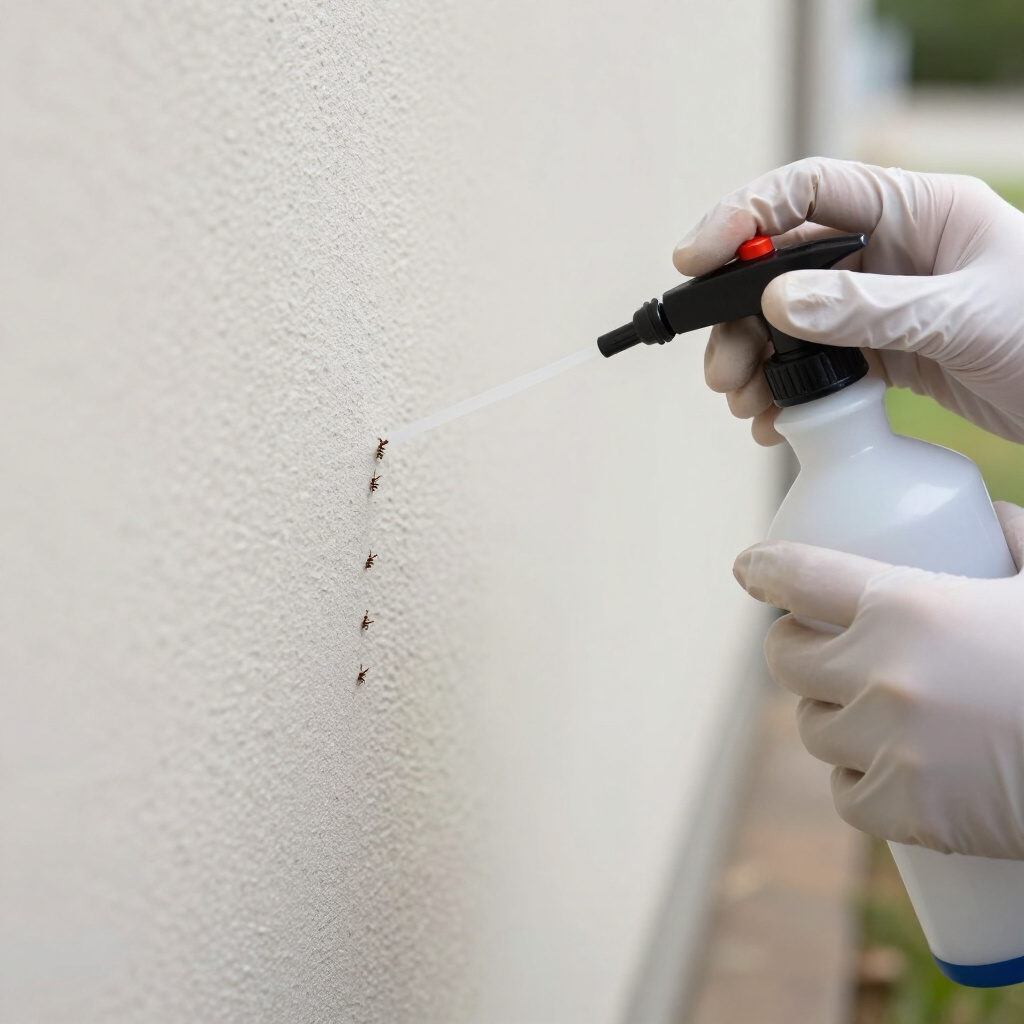
- Ant Control — Carpenter ant, pavement ant, and odorous house ant colony elimination
- Stinging Insect Removal — Wasp, hornet, and yellowjacket nest treatment and preventive applications
- Bed Bug Treatment — Inspection, heat remediation, and conventional treatment options
- Seasonal Pest Prevention — Quarterly or bi-monthly perimeter protection programs
- Wildlife Management — Humane exclusion and removal for raccoons, squirrels, and skunks
Pest Control Pricing in the South Amboy Area
Pest control costs in South Amboy reflect Middlesex County's competitive market and the specific challenges of coastal-plain properties. General pest control services typically range from $89 to $149 for initial treatments, with recurring maintenance plans averaging $39 to $79 monthly depending on property size and pest pressure.
Termite treatments represent a significant investment given the structural stakes involved. Liquid barrier applications for average South Amboy homes generally fall between $800 and $1,500, while monitoring bait systems require lower upfront costs with ongoing annual fees. Real estate inspection reports (WDI/OIR) usually cost $75 to $125.
Rodent control programs start around $200 to $350 for initial service including exclusion work, with follow-up visits priced separately or bundled into maintenance agreements. Severe infestations in multi-unit or waterfront properties may require higher investment.
Bed bug treatments command premium pricing due to labor intensity—heat treatments for standard homes typically range $1,000 to $2,500. Mosquito season packages generally run $65 to $95 per application with seasonal commitments.
Exact quotes require on-site evaluation, as South Amboy's diverse housing stock—from century-old Victorians to contemporary townhomes—presents variable treatment complexity.
Frequently Asked Questions
Are termites really that common in South Amboy?
Yes. Middlesex County experiences substantial Eastern subterranean termite activity, and South Amboy's mature neighborhoods with established tree canopy provide ideal foraging conditions. Annual inspections are strongly recommended, particularly for homes over 20 years old or those with previous moisture issues.
How do I keep mosquitoes under control near the waterfront?
Effective mosquito management combines professional yard treatments with source reduction. Eliminate standing water in gutters, planters, and yard debris. We treat vegetation and resting sites while identifying breeding sources. For properties near wetlands, seasonal programs provide the most reliable relief.
What should I do if I see rodents after a coastal storm?
Storm-driven rodent displacement is common in South Amboy. Seal visible entry points with steel wool or copper mesh as temporary measures, then schedule professional assessment. We identify all access routes—often including gaps you wouldn't suspect—and implement exclusion alongside population control.